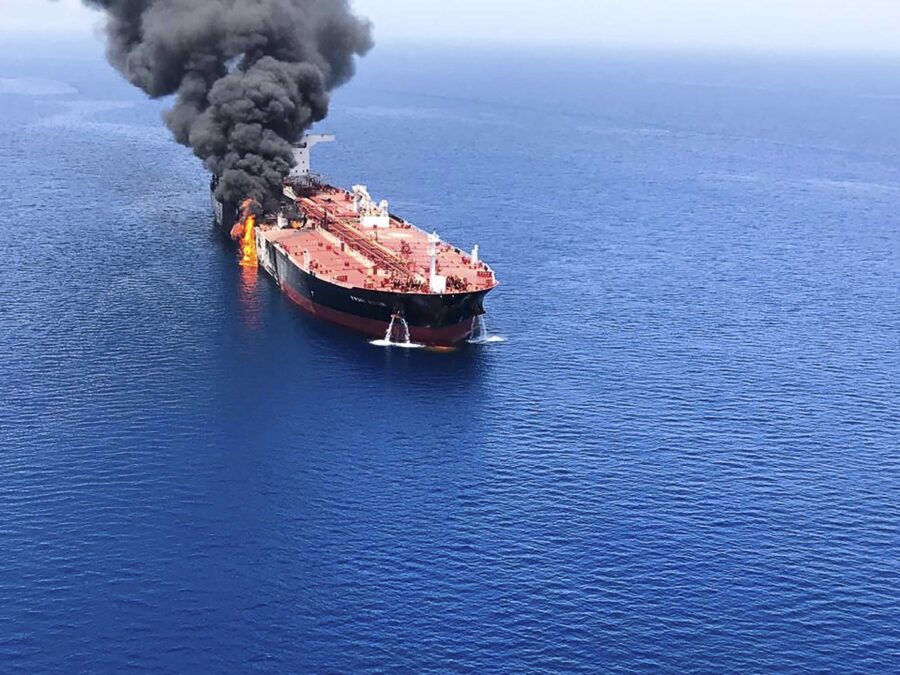
Tanker Attack in Hormuz Underscores Persistent Freight Exposure for Middle East Crude
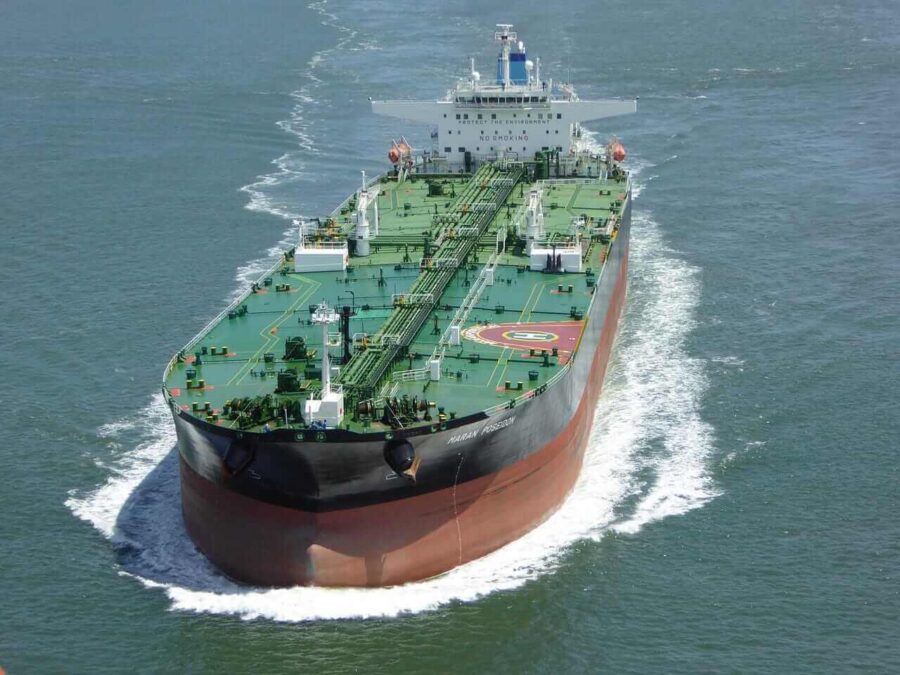
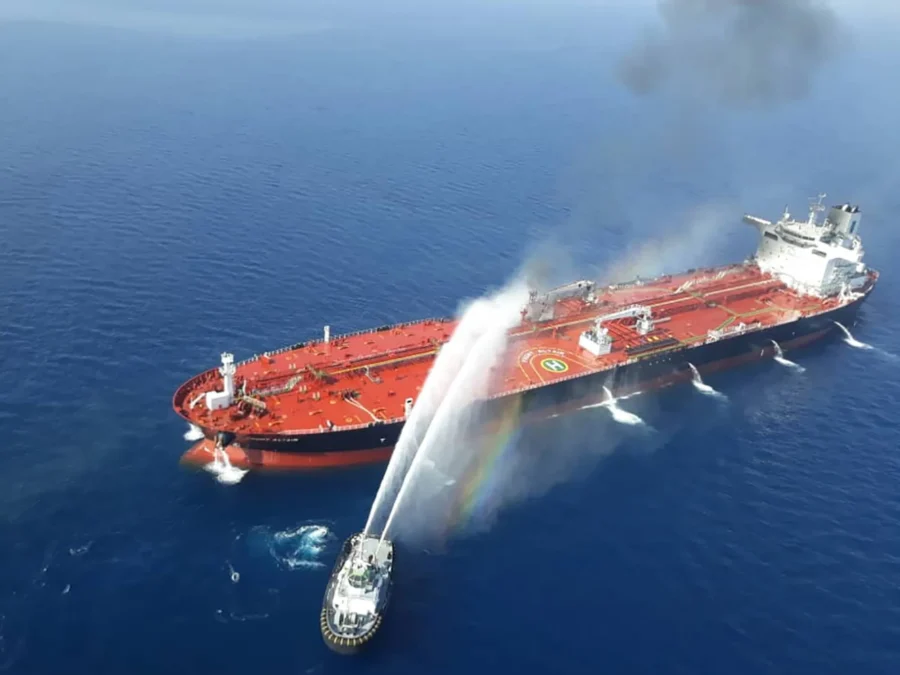
A recent tanker attack in the Strait of Hormuz highlights persistent freight exposure and war-risk challenges for Middle East crude oil shipping.
Explore shipping markets and ship chartering, including freight rates, tanker and dry bulk markets, charterparties, market cycles and the commercial factors that drive vessel employment and freight decisions.
A recent tanker attack in the Strait of Hormuz highlights persistent freight exposure and war-risk challenges for Middle East crude oil shipping.
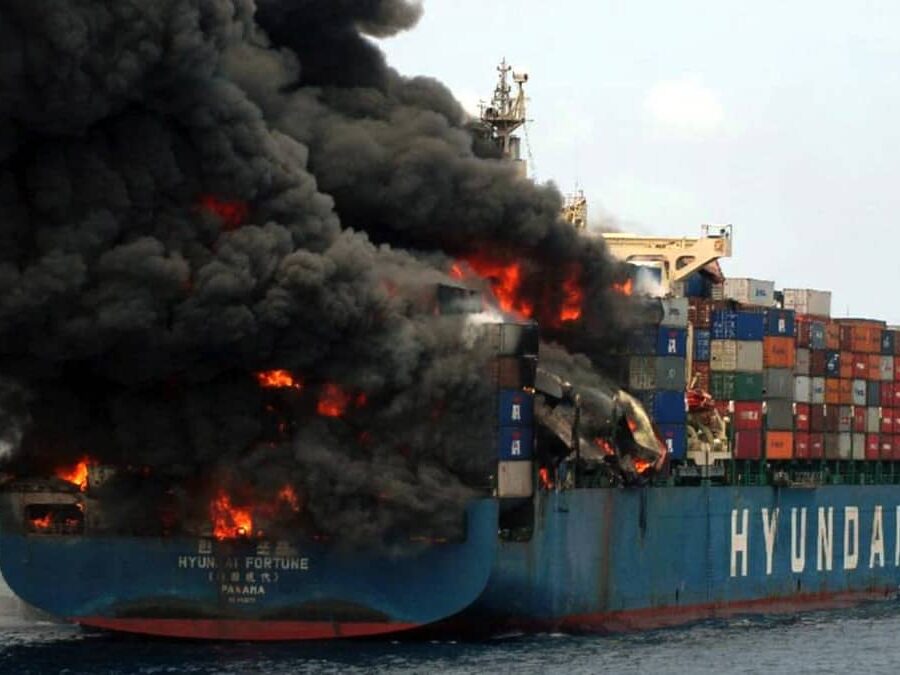
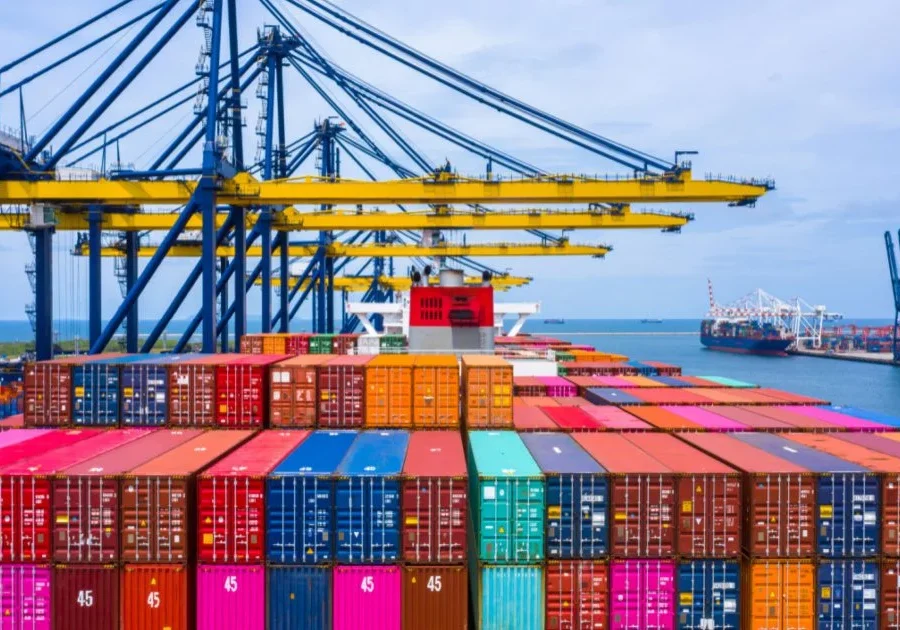
Surging containership fires are accelerating commercial pressure for upstream container shipping fire prevention and stricter booking compliance.
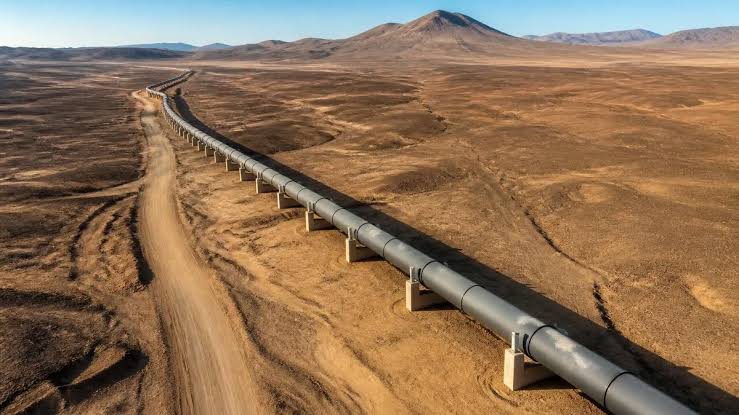
Japan’s proposed energy strategy to back overland pipelines bypassing the Strait of Hormuz could alter regional crude oil flows and affect tanker employment.
VLCC charter rates through the Strait of Hormuz have surged to $20 million per voyage amid severe Persian Gulf logistics strain and rising war risks.
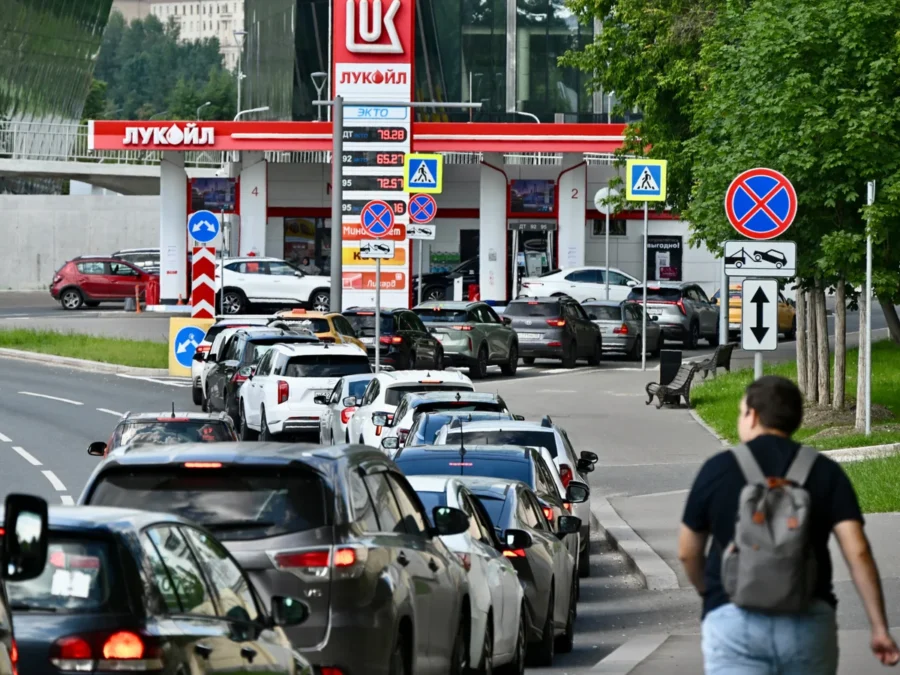
Discover how refinery strikes and domestic fuel shortages have reversed traditional product tanker trade flows as Russia pivots to Asian imports.
Escalated shipping attacks have halted over 97% of Black Sea grain exports, tightening vessel supply and lifting global prices.
Examine the legal, operational, and insurance mechanisms governing constructive total loss declarations and war risk premiums for vessels transiting high-threat waters.
An analytical guide examining how tonne-mile demand and longer trade routes are reshaping global shipping efficiency and freight markets.
Examine how recent security incidents in the Gulf of Oman impact chartering decisions, focusing on war risk clauses, deviation costs, and BIMCO provisions.
An overarching commercial examination of how newbuilding deliveries, scrapping rates, and regulatory slow-steaming impact global tonnage supply across major shipping sectors.