Key Takeaways
- A recent missile strike involving a Strait of Hormuz tanker demonstrates that commercial shipping exposure remains elevated.
- Crude oil cargo flows and non-facilitated commercial transits through the Persian Gulf remain severely suppressed due to lingering.
- Shipowners and charterers face continued volatility in war-risk premiums and freight rates, necessitating strict charter party protections and.
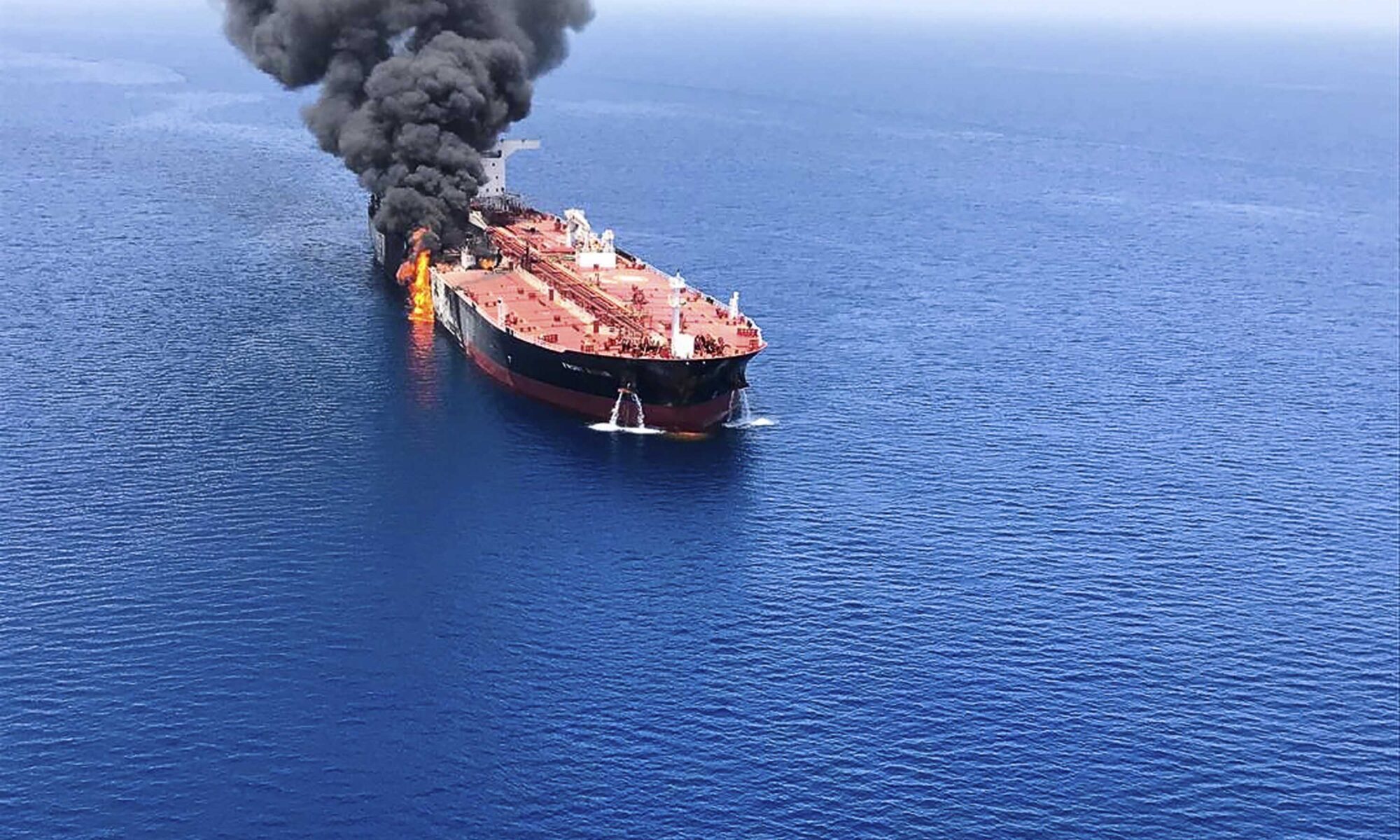
A recent missile strike involving a Strait of Hormuz tanker has demonstrated that commercial shipping exposure remains elevated despite high-profile diplomatic declarations and naval mine clearance announcements. Tanker operations through the Persian Gulf continue to face acute security hazards that directly influence voyage planning, war-risk underwriting, and regional fixture dynamics.
Market Snapshot and Operational Realities
Commercial traffic transiting the waterway remains severely depressed compared to historical averages, which typically hovered around 138 vessels per day. While recent U.S.-facilitated transits and proposed bilateral Omani-Iranian navigation frameworks signal initial steps toward restoring normal flows, independent tracking data confirms that non-facilitated commercial sailings remain subdued. The strike on the AL SALAM II near Khasab, Oman, which penetrated the hull just above the waterline and triggered a localized fire, illustrates the persistent physical dangers present even outside active combat zones.
Furthermore, maritime intelligence bodies note that drifting or uncharted sea mines continue to pose severe threats within and adjacent to the Traffic Separation Scheme. Clearance operations are ongoing, but the residual risk profile ensures that owners and charterers must factor potential delays and route deviations into every operational calculation.
Market Drivers and Supply Constraints
The persistence of localized attacks directly constrains regional vessel supply. Charterers seeking tonnage for Middle East crude exports face tight availability for units willing or insured to load within the Persian Gulf. War-risk premiums remain exceptionally volatile, adding substantial daily costs to voyage economics. While mediators continue discussions regarding temporary shipping corridors and revenue-sharing management, practical implementation remains in its infancy, leaving shipowners exposed to sudden security shifts.
Owner and Charterer Implications
For shipowners, navigating the current environment demands rigorous risk assessment, adherence to updated maritime security guidance, and comprehensive war-risk insurance verification. Charter parties must explicitly address who bears the cost of prolonged delays, mine-risk surveys, and potential deviation expenses. The ongoing friction highlights why certain energy importers continue to evaluate alternative infrastructure options, such as overland crude bypass pipelines, to secure vulnerable supply inflows without relying entirely on Persian Gulf maritime bottlenecks. Furthermore, commercial operators must monitor charter party terms closely, as historic volatility has previously driven extreme spikes in regional freight and demurrage expenses during periods of acute security tension.
Near-Term Outlook
Freight markets for Middle East crude will remain highly sensitive to physical security developments rather than political declarations. As detailed in recent gCaptain reporting on the Hormuz strike, ongoing mine remediation and diplomatic talks have yet to establish a fully secured transit corridor. Until commercial insurers and vessel operators observe a sustained period without projectile incidents or drift-mine hazards, freight rates and war-risk surcharges will reflect a permanent risk premium for Hormuz transits.