Key Takeaways
- Japan has announced plans to support overland pipelines that bypass the Strait of Hormuz to strengthen national energy.
- State-backed financing agency JOGMEC will provide liability guarantees to encourage corporate investment in alternative transport infrastructure.
- The strategic shift aims to mitigate the extreme freight volatility and supply bottlenecks experienced during recent Middle East.
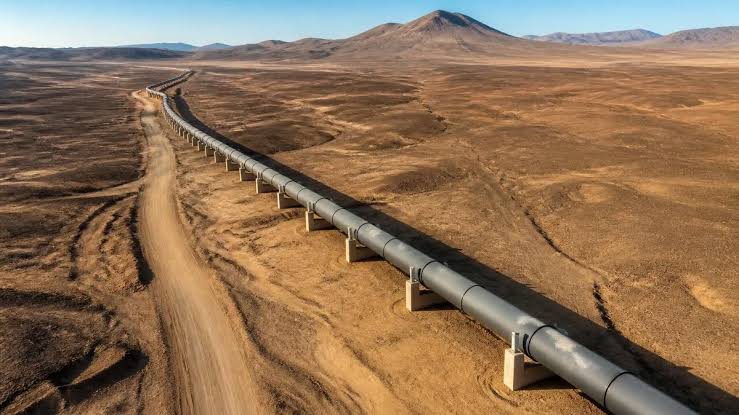
Japan is implementing a comprehensive Japan energy strategy designed to support the construction of overland pipelines bypassing the Strait of Hormuz following regional military conflicts that exposed acute vulnerabilities in its national supply chain. The strategic initiative forms a core component of a broader government policy aimed at fortifying energy security against critical maritime chokepoint disruptions and safeguarding vital import channels, particularly regarding Strait of Hormuz transit zone safety.
Japan Energy Strategy and Infrastructure
According to recent policy documents released by the Japanese Cabinet Office, the administration intends to utilize enhanced risk-financing capabilities through the Japan Organization for Metals and Energy Security (JOGMEC). This state-backed agency will provide crucial financial backing, funding support, and liability guarantees to encourage private corporate participation in new overseas pipeline infrastructure projects specifically designed to avoid maritime transit hazards in the Middle East as part of the broader Japan energy strategy.
Rate/supply/demand context
Prior to recent hostilities, Japanese refiners relied heavily on the Middle East for the vast majority of their imported crude oil. When regional blockades and security escalations materialized, commercial shipping encountered severe logistical bottlenecks, driving Hormuz VLCC charter rates to extreme historical highs. Domestic processors were forced to tap national strategic reserves and procure alternative grades from the Atlantic basin, radically altering traditional trade routes.
Drivers
The primary catalyst behind Tokyo’s decisive policy shift under the ongoing Japan energy strategy is the severe disruption experienced during the recent conflict. The vulnerability of the Strait of Hormuz transit zone proved exceptionally high when exposed to naval blockades and military strikes, demonstrating unequivocally that absolute reliance on a single maritime bottleneck exposes industrial economies to unacceptable commercial and operational risks.
Owner and charterer implications
For crude tanker owners and commercial charterers, the eventual development of major bypass pipelines could gradually compress tonne-mile demand for large carriers traditionally deployed on Persian Gulf-to-Asia routes. While long-haul voyages from the US Gulf and Atlantic basin gained temporary prominence during regional crises, permanent overland routing options would steadily modify regional tonnage allocation and fixture patterns.
Near-term outlook
The Japanese administration aims to finalize this comprehensive energy framework before the end of the year. Alongside pipeline investments, the plan includes targeted measures to secure stable marine insurance coverage for operational vessels and bolster domestic crude reserves dedicated to naphtha production, ensuring multi-layered protection against future maritime trade interruptions.
Final Thoughts
Tokyo’s pivot toward overland transport alternatives signals a permanent strategic reassessment of Middle Eastern energy reliance. As charterers seek dependable logistics networks and shipowners monitor evolving trade lanes, regional infrastructure diversification will progressively reshape crude carrier employment and operational risk management across the global maritime sector.