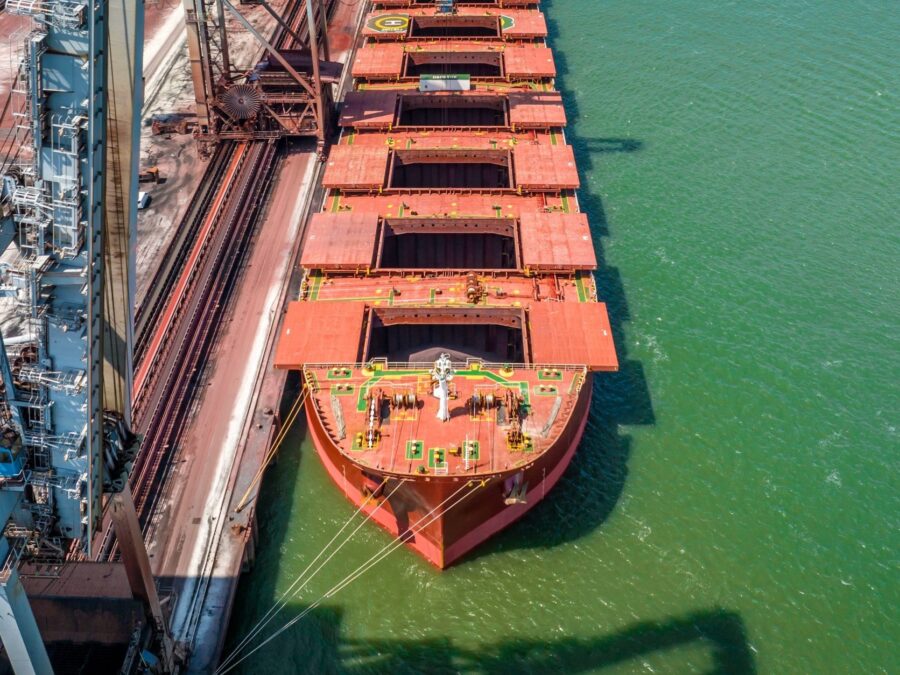
Evaluating dry bulk employment prospects amid shifting Chinese energy policies
An analytical look at how structural shifts in national energy security and domestic industrial demand influence dry bulk chartering decisions and tonnage deployment.
Explore shipping markets and ship chartering, including freight rates, tanker and dry bulk markets, charterparties, market cycles and the commercial factors that drive vessel employment and freight decisions.
An analytical look at how structural shifts in national energy security and domestic industrial demand influence dry bulk chartering decisions and tonnage deployment.
Container carriers now own 63% of operated capacity, up from 43% in 2020 — a structural shift with serious consequences for charter markets and independent shipowners.
A strong freight rate can still produce a weak voyage once bunkers, ballast time and port delays are included.
Laycan and Notice of Readiness connect the vessel’s physical condition to contractual time, cancellation rights and laytime exposure.
A useful tanker-market reading connects rates to cargo flow, vessel supply, positioning, costs and the specific route being assessed.
Tanker freight rates are ultimately a reflection of shifting cargo demand, vessel availability and route economics across a constantly moving global market.
Voyage and time charters allocate cost, control and operational risk in very different ways, and those differences are central to shipping practice.