
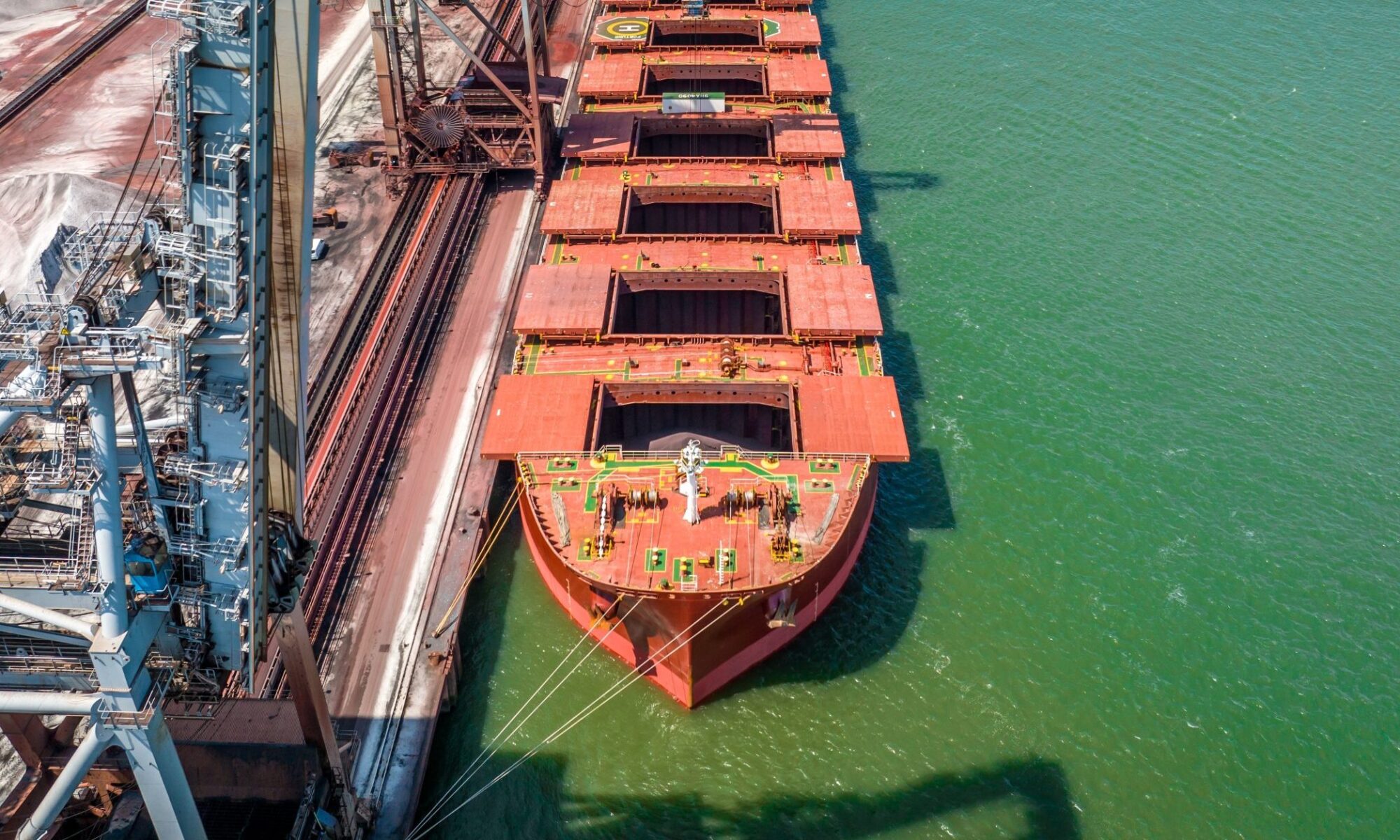
Shifting priorities in national energy security and domestic industrial demand continue to reshape commercial strategies across the maritime sector. For shipowners, operators, and charterers navigating the physical commodities markets, understanding how long-term fuel choices and state-backed infrastructure investments influence tonne-mile demand is essential. China's recent coal infrastructure investments illustrate a broader global pivot where energy resilience frequently outweighs near-term decarbonisation trajectories, introducing distinct operational dynamics for dry bulk chartering across major trade corridors.
Market development and dry bulk chartering resilience
The contemporary dry bulk shipping market operates against a backdrop of heightened geopolitical sensitivity and supply chain volatility. Recent disruptions across critical maritime chokepoints have forced energy-importing nations to reassess their vulnerabilities, prompting a strategic retreat toward reliable, dispatchable domestic energy sources. Rather than following a straight-line transition towards renewables, heavy industrial economies are establishing substantial redundancy buffers. This structural reality supports robust domestic and imported raw material flows, underpinning asset utilisation for bulk carriers even as broader economic headwinds fluctuate across key regional economies.
Infrastructure expansions, particularly within coal-fired power generation and associated chemical feedstocks, demonstrate that solid fossil fuels retain a foundational role in national planning. While renewable capacity additions continue at a record pace across several jurisdictions, intermittency challenges ensure that conventional thermal plants remain vital safety valves for national grid stability. For vessel operators, this translates into sustained import requirements for iron ore, bauxite, and thermal coal, directly impacting fixture activity, ballast management, and vessel availability in both the Pacific and Atlantic basins.
Furthermore, the diversification of end-use applications—ranging from traditional power generation to expanding industrial feedstocks—creates a resilient baseline of maritime trade that is less susceptible to standard seasonal lulls. As charterers recalibrate their exposure to shifting commodity flows, commercial operators must evaluate how regional stockpiling policies and domestic mining quotas alter traditional trade routes and average voyage lengths.
Rate, supply, and demand context
Freight rates across the Capesize, Panamax, and Supramax sectors remain closely correlated with major import volumes and domestic inventory cycles. Demand fundamentals are heavily influenced by the operational tempo of heavy industry, steel production, and power generation utilities. When geopolitical tensions restrict petroleum or liquefied natural gas availability, regional utilities routinely pivot to maximise thermal coal burn, driving sudden surges in short- and medium-haul fixture demand that can tighten regional tonnage lists overnight.
Concurrently, fleet supply growth remains constrained by shipyard capacity limitations, environmental compliance retrofits, and high newbuilding costs. This disciplined approach to fleet expansion has prevented severe rate degradation during periods of regional demand softening. Shipowners are increasingly selective when entering into period time charters, carefully balancing immediate spot market exposure against long-term operational risk management. Charterers, meanwhile, must navigate tighter tonnage availability in key loading regions, particularly when port congestion or adverse weather disrupts cargo handling and vessel turnaround times.
Optimising ballast legs has become an intricate exercise for commercial operators. As regional demand spikes pull tonnage away from traditional trading routes, scheduling must account for potential delays at discharge ports and the cascading impact on subsequent fixtures. This operational complexity underscores the necessity of maintaining close communication between commercial desks and technical superintendents.
Core drivers of structural change
Several key factors underpin the resilience of solid bulk movements in the current market environment, shaping long-term deployment strategies across the global fleet:
- Energy Security Priority: Governments view dispatchable thermal capacity as a critical national security asset against foreign supply shocks and unforeseen geopolitical interruptions.
- Industrial Feedstocks: The expansion of coal-to-chemicals and alternative processing sectors creates non-power generation demand that absorbs steady maritime imports.
- Supply Chain Redundancy: Maintaining operating reserves of solid fuels hedges against sudden volatility in global gas and oil markets, ensuring continuity for heavy industries.
- Fleet Demographics: Orderbook discipline and upcoming environmental regulations restrict speculative tonnage additions, supporting balanced market fundamentals across sectors.
- Logistical Adaptability: The ability of terminals and port infrastructure to pivot swiftly between domestic intake and seaborne imports reinforces overall trade velocity.
Owner and charterer implications
Commercial participants must adapt their risk management frameworks to accommodate these evolving trade patterns. Shipowners are advised to closely monitor regional stockpile levels and government-mandated mining adjustments, which can rapidly alter spot market sentiment and freight pricing dynamics. For those involved in port operations and terminal logistics, managing vessel turnaround efficiently remains critical to protecting charter party margins amidst unpredictable regional output variations.
Charterers face similar complexities, particularly regarding bunker cost fluctuations and evolving regulatory compliance mandates. The integration of alternative fuel readiness into modern fleet planning requires careful coordination between technical managers and commercial operators. Furthermore, operational disruptions in key export hubs or secondary shipping lanes, reminiscent of historical Black Sea shipping disruptions, underscore the necessity of maintaining flexible voyage planning, robust charter-party clauses, and comprehensive insurance coverage.
Commercial strategy must also account for the financial implications of slow-steaming and CII compliance. Balancing fuel economy with contractual delivery schedules requires sophisticated voyage optimisation tools and a clear understanding of how structural energy shifts impact fuel pricing across bunkering hubs.
Near-term outlook for dry bulk chartering
Looking ahead, the dry bulk freight market will likely experience continued volatility driven by weather anomalies, regulatory shifts, and ongoing geopolitical realignments. As utilities balance renewable output against baseline thermal requirements, seasonal peaks in coal burn will continue to offer supportive ballast for charter rates. Tonnage providers maintaining modern, fuel-efficient vessels will be best positioned to capture premium rates as charterers prioritise operational efficiency and emissions compliance alongside commercial competitiveness.
Ultimately, the structural resilience of dry bulk shipping relies on its foundational role in supporting global industrial metabolism. While the energy transition progresses at varying speeds across different continents, the immediate demands of energy security guarantee that solid bulk commodities will remain a cornerstone of maritime trade for the foreseeable future.
Final Thoughts
The interplay between national energy policies and maritime trade demonstrates that traditional commodities remain anchored to geopolitical realities. By recognising that energy security frequently supersedes short-term emissions targets in times of crisis, maritime professionals can better anticipate structural shifts in global shipping demand, route optimisation, and long-term fleet deployment.