
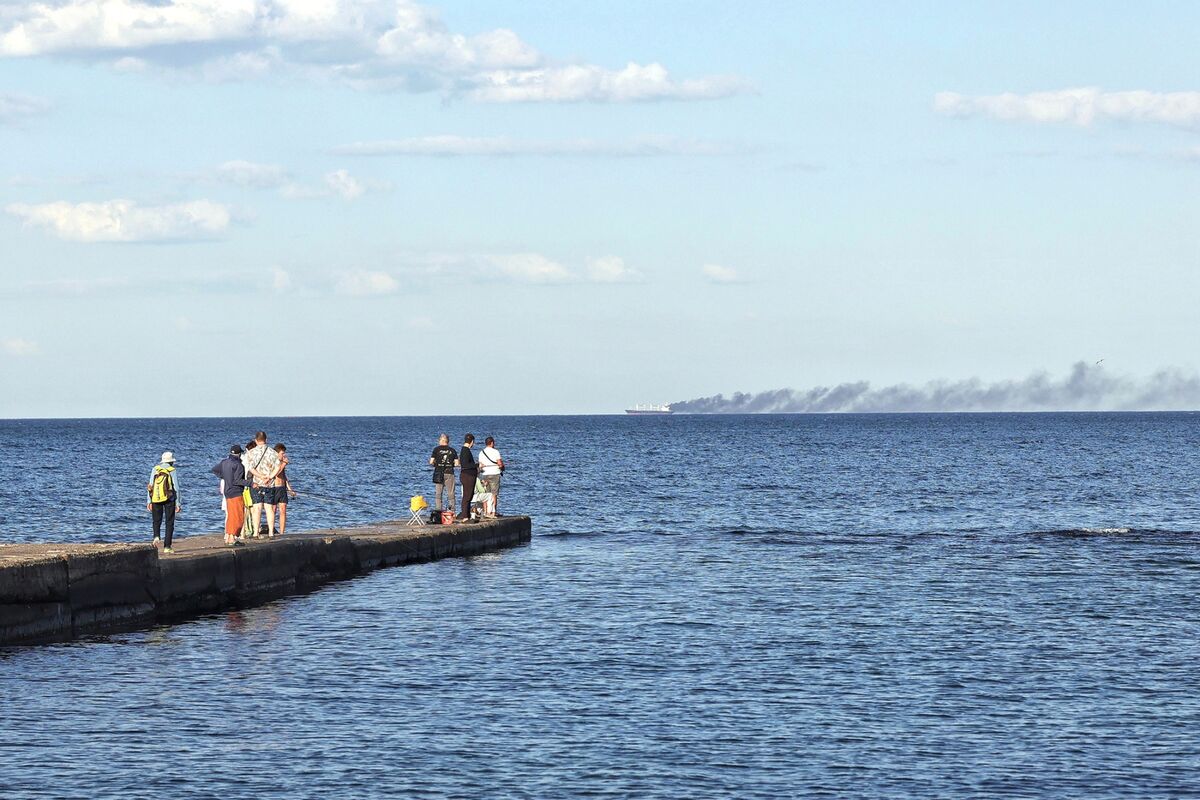
Black Sea shipping operations face persistent operational hazards following recent military reports detailing strikes near the strategic Ukrainian port hubs of Odesa and Mykolaiv. As hostilities continue to impact vital maritime infrastructure, shipowners, charterers, and underwriters must continuously reassess the complex safety matrix governing regional voyages. This ongoing volatility confirms that open on paper too risky to call remains a practical reality for many commercial operators weighing the financial incentives of grain and dry bulk exports against acute physical dangers. Furthermore, broader European logistics trends show that inland waterways and regional transit routes face systemic bottlenecks, as seen when Danube drought conditions impact European energy logistics. Effective risk management is therefore paramount for maintaining secure commercial operations.
Understanding the Escalation in Black Sea Shipping Corridors
According to official statements issued by Moscow’s defense ministry, recent operations targeted port facilities, storage warehouses, and vessels alleged to be supporting military logistics as detailed in recent gCaptain reports. While independent verification of specific damage assessments remains difficult during active conflict, the recurrence of strikes near critical loading terminals reinforces the precarious nature of maritime transit in the northwestern basin. Port authorities and terminal operators have had to manage frequent air raid alerts, navigation restrictions, and potential infrastructure interruptions that complicate berth planning and turnaround times.
Commercial navigation in these contested waters relies heavily on temporary humanitarian corridors and designated transit lanes established following the breakdown of broader multilateral shipping agreements. However, these corridors do not insulate vessels from the collateral effects of ongoing military engagements. The physical presence of drifting maritime mines, unexploded ordnance, and the threat of airborne or surface drone strikes introduce severe variables into standard voyage risk assessments. Furthermore, regional electronic warfare activities have introduced secondary technical hazards, including widespread GNSS signal jamming and GPS spoofing, which severely degrade the reliability of standard bridge navigation and positioning systems.
Operational and Commercial Implications for Fleet Managers
For ship managers and commercial operators navigating this operational landscape, rigorous due diligence and continuous intelligence gathering are essential for safe transit in Black Sea shipping zones. War risk underwriters have maintained stringent premium structures and strict geographical limits for vessels entering Ukrainian waters, reflecting the elevated probability of collateral loss or hull damage. Charter parties must carefully evaluate cancellation clauses, safe port warranties, and the allocation of liabilities should a vessel sustain damage or face extended detention due to military action.
- Enhanced crew safety protocols, including designated citadel procedures, continuous radar monitoring, and heightened visual watchkeeping for uncrewed surface vehicles.
- Rigorous compliance checks regarding cargo provenance, terminal ownership, and counterparty sanctions to ensure full adherence to international legal frameworks.
- Dynamic voyage planning that incorporates real-time naval intelligence, meteorological data, and port congestion updates to minimize exposure in high-risk zones.
- Strict adherence to hull and machinery war risk underwriting requirements, mandatory club circulars, and specific geographical warranty limits.
- Contingency planning for rapid crew evacuation, emergency machinery breakdown, and coordination with local maritime rescue coordination centres.
Furthermore, technical management teams must ensure that shipboard hardening measures and emergency response plans are routinely audited and drilled. Crew welfare remains a paramount concern, with Masters requiring clear operational autonomy to refuse or delay port entry if local threat levels escalate beyond acceptable safety thresholds. The commercial pressure to maintain grain and raw material exports must always be balanced against the absolute duty of care owed to seafarers navigating these high-threat environments.
Regulatory Oversight and Technical Adaptation
Flag states, classification societies, and international maritime organizations continue to monitor the evolving threat matrix in the Black Sea, issuing regular safety advisories to caution against operational complacency. Technical adaptations have become a necessary focus for shipowners deploying vessels to the region. While traditional ship design is rarely optimized for asymmetric combat threats, operators are increasingly investing in auxiliary protective measures, improved closed-circuit television coverage, and advanced radar filters capable of detecting low-radar-cross-section targets such as surface drones.
At the same time, maritime legal experts emphasize that the definition of a ‘safe port’ remains heavily contested under contemporary charterparty disputes. When terminal infrastructure is subject to sudden kinetic strikes, establishing whether a port can be deemed safe requires a granular analysis of local defenses, early warning capabilities, and the predictability of military escalations. Consequently, legal and commercial teams are drafting increasingly sophisticated bespoke clauses to address force majeure and war-related delays.
What Happens Next
As the conflict enters subsequent phases without a formal maritime ceasefire, the risk profile for commercial shipping in the region is unlikely to diminish significantly. Stakeholders anticipate that insurance markets will remain highly reactive to any southward shift in military activity or threats directed against civilian shipping lanes. Shipowners will continue to rely on diversified tonnage deployment, prioritizing safer non-conflict routes while selectively participating in regional trades only when commercial returns justify the elevated underwriting costs.
Regulatory bodies and flag states will also maintain close oversight of vessel movements, issuing updated advisories to caution against complacency. Technical innovations in drone detection and vessel hardening may offer marginal mitigations, but the foundational security architecture of the region will remain governed by tactical military developments on the ground.
Final Thoughts
The latest incidents near Odesa and Mykolaiv serve as a stark reminder that commercial maritime operations within active combat zones demand unyielding vigilance. Prudent risk management, transparent communication between owners and charterers, and an uncompromising focus on crew safety remain the definitive pillars for navigating this challenging operating environment in Black Sea shipping lanes.