
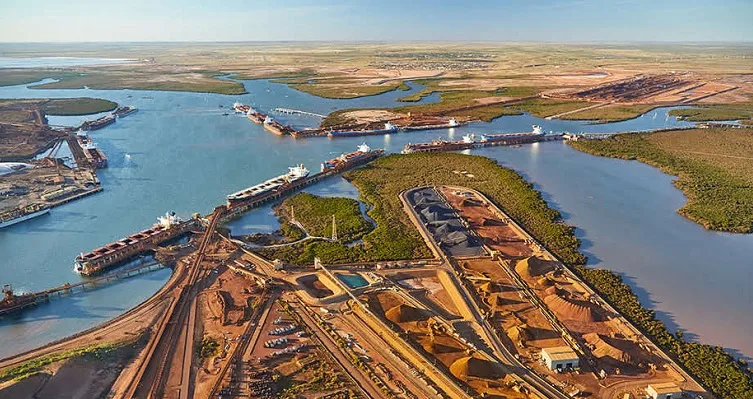
Industrial action under Port Hedland strike introduces immediate scheduling friction for dry bulk operators and charterers alike. When labour disputes affect critical nodes in the global supply chain, vessel turnaround times lengthen, and demurrage risks escalate significantly. gCaptain reporting highlights that labour unrest in Western Australia has reached a significant milestone, impacting key maritime gateways.
What Happened During the Port Hedland Strike
Workers at Port Hedland strike action have initiated a series of planned stoppages. The industrial action involves approximately 150 workers participating in a targeted ship-loading ban followed by a subsequent 24-hour full stoppage. This represents a notable escalation in labour tensions at the world’s largest iron ore export hub, coming after prolonged negotiations over remuneration and workplace conditions.
The disputes centre on multi-year enterprise agreements between mining operators and union representatives. Despite ongoing dialogue, compromise has proved challenging, leading union leadership to activate industrial measures to press their demands. The action specifically targets vessel loading operations, causing temporary pauses in berth activity while shore-side personnel walk off the job. This marks the first major industrial action at the iron-ore export hub in more than two decades, underlining deep-seated frustrations among maritime and port support personnel.
The action involves unions representing a portion of the broader port workforce, who have spent months negotiating a new four-year bargaining agreement with the mining major amid record share prices and rising costs of living. While talks have seen incremental progress, the gap between employer offers and union expectations prompted the decision to proceed with the stoppage.
Important Confirmed Details
Confirmed reports indicate that the stoppage directly involves members of the Combined BHP Ports Unions. The disruption is structured around a rolling format, designed to maximise pressure on terminal operators while minimising prolonged total shutdowns. Approximately 150 operational and maintenance staff are participating directly in the initial phases, out of a total port workforce exceeding 800 people.
Key operational parameters confirmed during the event include:
- A scheduled 24-hour ship-loading ban followed by a 24-hour complete labour withdrawal.
- Continued operation of rival export terminals within the same geographical hub, which remain unaffected by the current dispute.
- Scheduled vessel departures remaining contingent on standard tidal windows and port planning constraints.
- Upcoming formal negotiation sessions scheduled between the mining major and union delegates.
- Approximately eight ships expected to finish loading from affected port facilities over the active weekend period.
- Sustained high-value throughput, with the terminal facility traditionally shipping roughly $80 million worth of iron ore daily.
- The port hub accounting for approximately 75% of iron ore exports from the wider Pilbara region in the year leading up to June.
Operational and Commercial Implications
For shipowners and commercial operators managing Capesize and Panamax tonnage, port congestion and schedule reliability remain primary operational concerns during the Port Hedland strike event. Port Hedland handles a substantial share of global seaborne iron ore—accounting for three-quarters of exports from the Pilbara region—making any friction at the berths acutely sensitive for the wider dry bulk freight market.
When loading windows are compressed by industrial action, vessels frequently experience extended anchorage times at outer anchorages. This creates a backlog that can take days to clear even after normal labour operations resume. Charterers must carefully manage laytime and demurrage calculations, as employment contracts often allocate the financial risk of port delays based on specific charterparty wording, such as whether strike clauses apply. Furthermore, stringent tidal constraints at Port Hedland mean that missed sailing windows can cause compounding delays for outbound bulk carriers, requiring master mariners and local shipping agents to meticulously re-sequence port logs and ballast management plans.
Commercial exposure is further heightened by the sheer volume moving through the terminal, where millions of dollars in commodity value transit daily. Any sustained impediment to the fluid movement of iron ore places upward pressure on freight rates as tonnage availability in the region tightens due to artificial waiting times and tied-up fleet capacity.
What Happens Next
Both parties are scheduled to return to the negotiating table following the initial rounds of industrial action. The outcome of these upcoming discussions will determine whether further stoppages occur or if a formalised enterprise agreement can be successfully concluded. The next major meeting between the Combined BHP Ports Unions and corporate representatives is slated for August 18, coinciding closely with the company’s scheduled annual financial results announcement.
Maritime stakeholders will monitor terminal throughput statistics closely over the coming weeks as the Port Hedland strike unfolds further. Should negotiations stall further, the potential for escalated labour disputes remains a persistent risk factor for regional supply chain continuity. Operators navigating the Pilbara region must maintain open communication channels with local agents to adapt quickly to shifting berth availability, changing manning levels, and evolving tidal schedules.
Final Thoughts
The industrial action at Port Hedland underscores the delicate balance between labour relations and global commodity logistics. While short-term disruptions can often be absorbed through efficient port management and disciplined tidal scheduling, the ongoing Port Hedland strike carries systemic commercial consequences for dry bulk shipping participants worldwide.