Industrial action at the world's largest bulk export port threatens to compound existing vessel delays and disrupt Capesize scheduling across the iron ore trade.
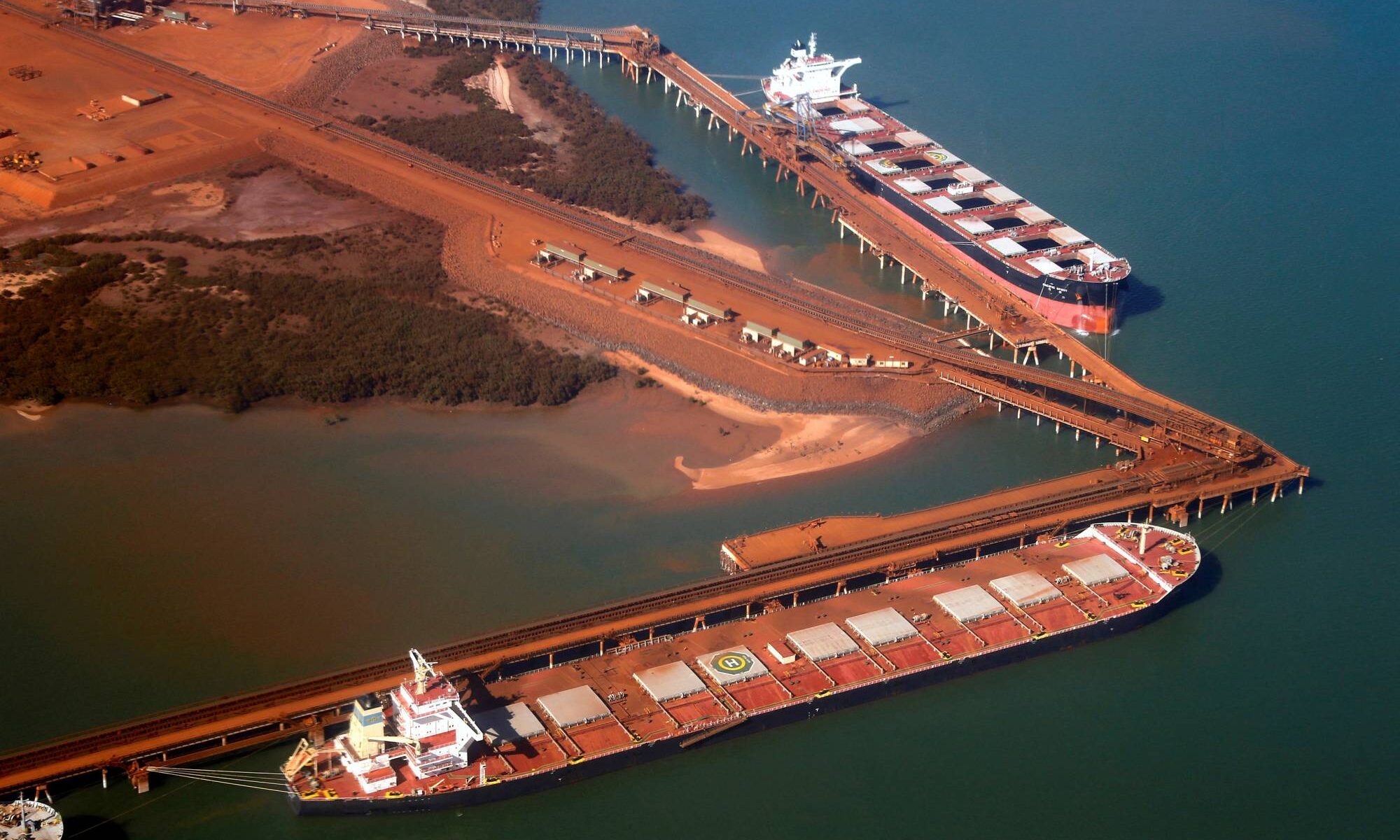
Port Hedland is not a port you can easily route around. As the dominant facility within the Pilbara complex — the largest bulk export operation on the planet — it sits at the centre of the global iron ore supply chain. When something goes wrong there, it does not stay a local problem for long. The current labour dispute between BHP and the unions representing its port workforce has now reached a stage where structured industrial action is formally scheduled, and owners, operators and charterers with vessels committed to the berth windows need to be paying close attention.
What Is Happening and Why It Has Reached This Point
Negotiations between BHP and the combined port unions have been grinding on for the better part of a year without resolution. The unions, representing several hundred operators and maintenance workers at the BHP bulk export terminal, filed formal notice of protected industrial action after the latest round of talks failed to produce an agreement. Under Australian labour law, this is a structured and legally recognised process, which means the action carries real procedural weight.
The planned action is phased. The first phase involves a full-day ban on loading operations. The following day brings a complete work stoppage at the terminal, with at least one additional union — representing electrical workers — indicating it will join the stoppage on that second day. That combination of a loading ban followed by a full stoppage is operationally significant: it is not a token gesture but a deliberate escalation designed to maximise commercial pressure on BHP while minimising legal exposure for the unions.
BHP has publicly stated it has tabled a substantial wage offer across the contract period and has sought assistance from the Fair Work Commission to moderate discussions. The unions describe negotiating progress as glacial and are pushing for a multi-year collective agreement with enforceable protections on pay and conditions. Neither position is unusual in a major resources sector dispute, but the gap between them has proven stubbornly difficult to close.
The Commercial Scale of the Exposure
The numbers here are not trivial. BHP moves an extraordinary volume of iron ore through Port Hedland daily — figures reported in the range of around 800,000 metric tonnes per day. The company itself has put the daily revenue at risk from a stoppage at well over A$100 million, with significant associated royalty losses to the Western Australian state government. A two-day stoppage, even if partially mitigated, represents a meaningful gap in supply that steel mills in China, Japan and South Korea will register almost immediately.
It is worth noting that Fortescue and Hancock Prospecting also operate through Port Hedland, though they are not party to this particular dispute. Their operations would not be directly affected by action at the BHP terminal, but any congestion spillover, shared infrastructure impacts or reputational knock-on affecting port scheduling more broadly could touch all users of the port system.
BHP has indicated it expects to recover lost volume across the remainder of the shipping year. That may be arithmetically achievable, but it assumes no further escalation — and it does nothing for the vessel operators who arrive on schedule to find no berth productivity.
Pre-Existing Congestion Makes the Timing Worse
What makes this situation operationally more serious is the context in which it is occurring. Port Hedland was already experiencing vessel queues and waiting times measured in days before this dispute reached its current stage. When a port is already running at the margins of its scheduling capacity, even a 24-hour ban on loading is not a contained event — it cascades. Ships waiting at anchor burn fuel, accrue demurrage, and fall out of their voyage scheduling windows. A full stoppage day compounds that effect significantly.
Capesize and Newcastlemax operators on iron ore runs to the Pilbara are well aware that Port Hedland can be a waiting game in normal conditions. The addition of planned industrial action on top of an already congested queue changes the risk calculus for any vessel approaching the region without a confirmed laycan cushion.
What Owners, Operators and Charterers Should Be Considering
For those with vessels either inbound to Port Hedland or currently negotiating fixtures for iron ore liftings over the relevant period, several practical questions deserve attention:
- Laytime and demurrage clauses: Check whether your charterparty contains force majeure or exceptions language that would cover protected industrial action under Australian law. Not all standard forms treat labour disputes uniformly, and the legal status of the action as a protected proceeding under the Fair Work Act may affect whether time lost counts against the charterer or the owner.
- Notice of readiness timing: If a vessel tenders NOR but cannot berth due to industrial action rather than natural congestion, the distinction may matter when calculating who bears the cost of waiting time. Get clarity on this before the vessel arrives in the zone.
- Voyage instructions and ETA management: Operators managing fleet schedules should be adjusting ETAs and communicating proactively with receivers and terminal schedulers. Arriving into a stoppage without updated instructions creates unnecessary exposure.
- Cargo and supply chain implications: Charterers and cargo owners supplying steel mills with tight inventory positions should be reassessing whether alternative tonnage or supply routes can partially buffer against a multi-day delay. Even if the stoppage resolves quickly, the queue to clear Port Hedland post-action will take time to drain.
The Broader Industrial Relations Context
Australia’s resources sector has seen recurring tensions between the commercial imperatives of major mining groups and the workforce demands of unions operating in what have historically been among the highest-value industrial environments in the world. The Fair Work framework provides structured mechanisms for resolution, but it also gives unions genuine leverage through protected action — and the willingness to use that leverage tends to increase when prolonged negotiations produce no tangible result.
The prior brief stoppage earlier in the period caused limited operational disruption, largely because loading continued through most of it. But that experience should not be read as evidence that further action will be similarly contained. A phased escalation — loading ban followed by full stoppage, with electrical workers joining — suggests a more organised and deliberate approach than a single short walkout. The unions are calibrating pressure, not simply making noise.
Whether Tuesday’s intervention by the Fair Work Commission produces a breakthrough remains to be seen. Last-minute resolutions are common in these disputes precisely because both sides understand the cost of actual stoppage. But shipowners and operators cannot plan their operations around optimism.
Final Thoughts
Port Hedland handles a volume of bulk cargo that makes it systemically important to global steel production and therefore to global trade. Any disruption there is never truly local — it moves through freight rates, mill inventories and cargo scheduling with a reach that extends from the Pilbara to the blast furnaces of northeast Asia. The current dispute may resolve before the scheduled action takes effect, as many such disputes do. But the operational and commercial risk is real and present, and the responsible position for anyone with assets or cargo committed to that trade is to have already examined their contractual exposure, their vessel positioning and their contingency options. Hope is not a chartering strategy.