
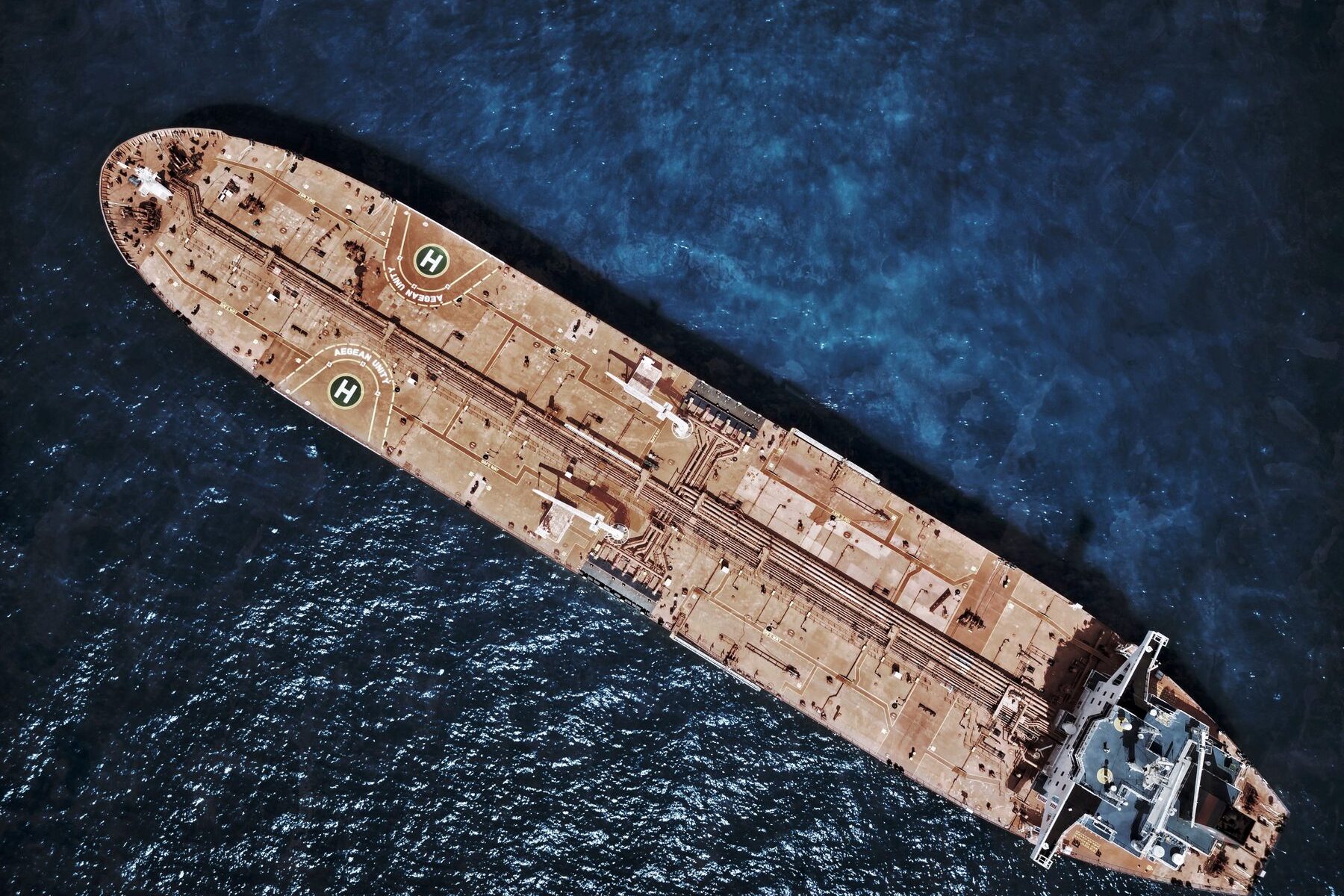
Commercial time begins with operational facts. A vessel cannot protect its position through paperwork that is disconnected from actual readiness.
Understand the laycan window
Laydays define when the charterer is expected to accept the vessel for loading, while the cancelling date may create a right to cancel if the vessel arrives too late.
The fixture wording, amendments and applicable charterparty must be checked because consequences depend on the contract.
Define arrival and readiness
Readiness can include physical, documentary and legal requirements. Holds or tanks may need to be clean, equipment operational, certificates valid and the vessel at the contractual place.
Port limits, berth availability, free pratique and customs status can affect when a notice is valid.
Issue Notice of Readiness carefully
The notice should follow the required method, recipient, time and wording. Records of transmission and receipt are important.
A premature or invalid notice can delay laytime commencement and create a dispute that exceeds the cost of the original operational delay.
Preserve contemporaneous evidence
Deck logs, statements of facts, communications, tank or hold inspection records and port documents should tell one consistent story.
Retrospective explanations are weaker than clear records created while the event is happening.
Coordinate operations and commercial teams
The master, agent, operator and chartering desk should know the contractual trigger points before arrival.
A simple pre-arrival timeline can prevent contradictory messages and ensure that readiness defects are addressed before notice is tendered.
Practical review checklist
- Fixture and charterparty wording
- Expected arrival against laycan
- Physical and documentary readiness
- Contractual place for tendering NOR
- Transmission and receipt evidence
- Consistent log and port records
Professional note: Confirm the latest class, flag, maker, contractual and vessel-specific requirements before acting on general guidance.