
Key Takeaways
- Recent projectile attacks off Yemen have triggered constructive total loss declarations for commercial cargo ships.
- War risk insurance premiums remain highly volatile as security threats persist in the southern Red Sea and Gulf.
- Shipowners and charterers must carefully review charter party war risk clauses to manage liability and operational exposure.
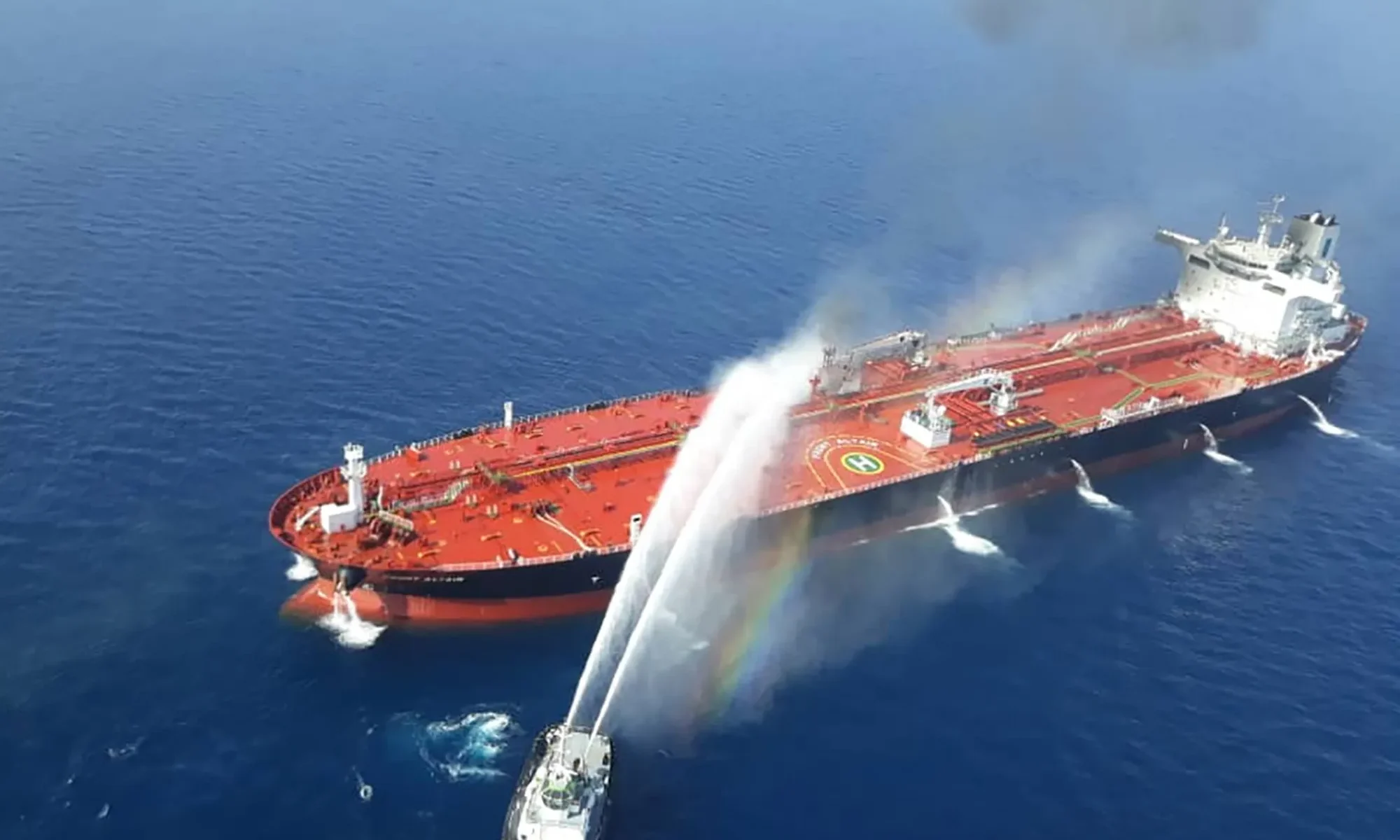
Recent projectile strikes on commercial tonnage in the southern Red Sea highlight the severe exposures facing shipowners operating through the Bab el-Mandeb Strait. Under these conditions, a constructive total loss can occur when severe structural damage forces underwriters and technical managers to evaluate vessel recovery costs. These security incidents frequently result in severe structural damage, forcing underwriters and technical managers to evaluate whether a severely damaged vessel constitutes a constructive total loss. Recent events, including unmanned vessels left as complete write-offs following multiple missile impacts, underscore the grim reality of modern maritime threats.
Understanding Constructive Total Loss and Hull Underwriting
As regional threat levels remain elevated, hull and machinery underwriters face rising liabilities. When repair costs exceed the insured value of a ship, or when salvage and restoration expenses are rendered economically unviable following projectile attacks, owners may tender notice of abandonment. This formal process requires precise documentation of structural integrity, engineering assessments, and classification society involvement to substantiate the claim under standard marine insurance policies. Underwriters meticulously inspect damage reports to verify that the cost of recovery and repair truly exceeds the sound market value of the asset.
Rate, Supply, and Demand Context
War risk premiums for transiting high-threat corridors remain volatile, directly impacting voyage economics. Shipowners must weigh exorbitant premium surcharges against potential freight rate earnings as longer trade routes reshape global shipping efficiency. Concurrently, the permanent or temporary closure of regional berths restricts capacity, leading charterers to reassess port rotation amid rising risks for merchant shipping and factor in extensive deviations around the Cape of Good Hope.
Drivers and Operational Pressures
Escalating missile and drone activity driven by ongoing regional conflicts dictates the daily operational reality for commercial fleets. Masters and designated persons ashore must continuously review ship security plans, harden citadel readiness, and monitor maritime trade operations advisories closely. Strict compliance with war risk warranties and routing instructions remains vital for maintaining insurance validity during voyages through restricted zones.
Owner and Charterer Implications
Time charterers and owners must carefully examine war risk clauses to establish clear operational guidance for middle east trade routes. The allocation of liability, off-hire provisions, and the contractual right to refuse orders into designated high-risk areas often become highly contentious when vessels suffer catastrophic damage. Clear contractual demarcation prevents protracted commercial disputes over premium increases and war risk cost-sharing under standard charter party frameworks.
Near-Term Outlook
Persistent security challenges in the Middle East suggest that marine insurance markets will maintain stringent underwriting criteria, restrictive policy terms, and elevated premium structures for the foreseeable future. Technical managers should prioritize crew safety protocols, robust vessel hardening, and transparent communication with underwriters to manage exposure effectively.
Final Thoughts
Navigating maritime operations in high-threat waters demands rigorous legal, operational, and financial preparation. By understanding the intricate mechanics of marine insurance claims, a potential constructive total loss declaration, and war risk provisions, shipping stakeholders can better protect their fleets against unforeseen catastrophic events.