
Key Takeaways
- Shipyard orderbook congestion across major Asian construction hubs extends deep into the late 2020s, reducing operational elasticity.
- Newbuilding delivery schedules frequently experience slippage due to cumulative delays in steel cutting, equipment procurement, and engineering approvals.
- Net commercial fleet growth depends on discounting gross orderbook figures to account for both yard delivery delays and.
The global commercial shipbuilding sector operates within a tightly managed framework of physical berth availability, skilled labour supply, and heavy machinery procurement. As shipowners evaluate fleet renewal strategies across the mid-decade horizon, understanding the mechanical and commercial realities governing newbuilding delivery schedules is critical for tonnage supply forecasting. Major shipyards across primary maritime nations face extensive forward book commitments, altering how commercial negotiations, steel plate sourcing, and machinery integration unfold.
The Mechanics of Modern Newbuilding Delivery Schedules
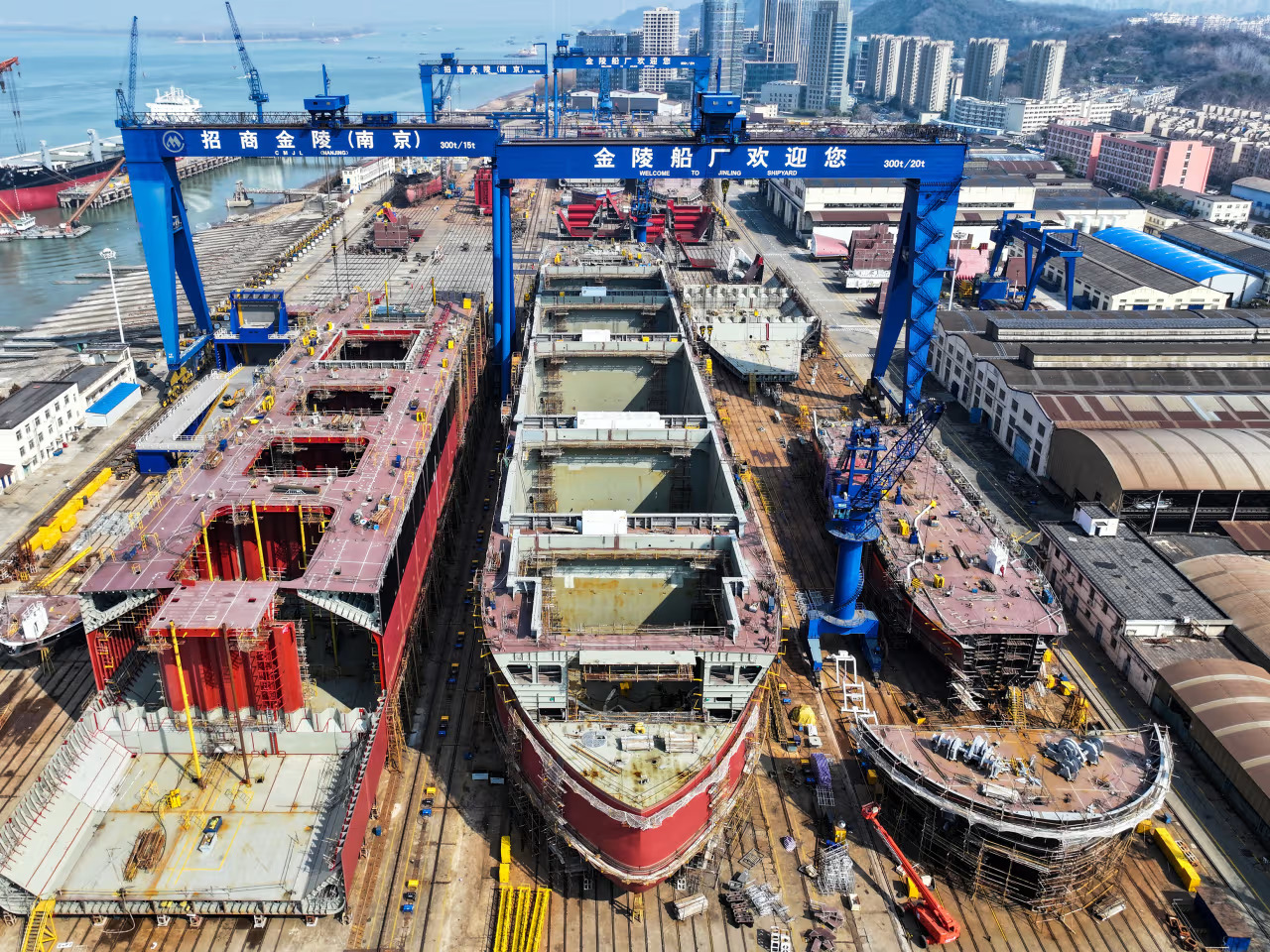
Shipyard capacity is fundamentally dictated by drydock dimensions, gantry crane lifting capacities, and the velocity of modular sub-assembly fabrication. Modern large-scale commercial shipbuilding relies on advanced pre-erection methods, where massive block sections are outfitted with piping, electrical cabling, and machinery before being moved into the building dock for final joining. This manufacturing sequence requires precise synchronization across multiple tiers of equipment suppliers, ranging from major propulsion manufacturers to specialized valve and automation vendors.
When yards commit to a sequence of hulls, any disruption at the sub-assembly stage cascades through subsequent slots. Consequently, newbuilding delivery schedules depend not only on the physical availability of a drydock or slipway but also on the uninterrupted flow of steel, propulsion systems, and auxiliary machinery. Understanding these operational dependencies allows commercial operators to better anticipate the actual timing of vessel handovers versus contractual milestones, ensuring that chartering commitments and financing structures align with realistic vessel availability windows.
Furthermore, the physical footprint of a modern shipyard dictates its maximum annual throughput. Even with automated cutting machines and advanced welding robots, the movement of massive steel sections requires dedicated transport equipment and skilled operators. Any bottleneck in internal logistics—such as the transfer of blocks from fabrication shops to painting halls—can introduce subtle delays that accumulate over the multi-month construction cycle of a large commercial vessel.
Analysing Current Orderbook Congestion Across Asian Yards
Major construction hubs in East Asia currently maintain robust forward cover, with leading commercial yards reporting filled slot availability extending deep into the late 2020s. This high utilisation rate stems from a confluence of dual-fuel fleet renewal demands and targeted ordering across specific vessel classes. While high orderbook volumes provide revenue stability for shipbuilders, they simultaneously reduce operational elasticity. When yards operate at maximum physical capacity, routine maintenance of drydock infrastructure or unexpected workforce shortages can introduce systemic friction into the production line.
Furthermore, yard allocation strategies have shifted significantly over recent cycles. Shipbuilders prioritize high-value, complex tonnage—such as large gas carriers and dual-fuel containerships—which commands superior margins but requires intensive engineering oversight and specialized outfitting. This prioritisation can compress slot availability for standard bulk carriers and smaller tankers, forcing charterers and independent owners to navigate longer lead times or seek alternative construction yards across secondary shipbuilding regions.
The complexity of these modern designs also means that engineering departments spend considerably more time on detailed design approvals before steel cutting even begins. This front-loading of technical work further strains yard resources, impacting the overall throughput of standard vessel series and reinforcing the tight grip of existing orderbook commitments across primary shipyards. Regional capacity constraints thus become a dominant factor in determining how quickly global fleet renewal can actually take place.
Historical Slippage Rates and Delivery Delay Factors
Delivery slippage remains a persistent characteristic of commercial shipbuilding. Historical data indicates that a notable percentage of scheduled deliveries experience slippage ranging from several weeks to multiple months. This phenomenon is rarely attributable to a single variable; rather, it represents the cumulative effect of minor delays in steel cutting, engineering drawing approvals, class society surveys, and equipment factory acceptance tests.
Technical modifications introduced during construction also contribute significantly to schedule adjustments. Owners frequently request design alterations mid-stream—such as retrofitting alternative fuel readiness or modifying cargo handling systems—to comply with evolving international maritime standards and guidance. While necessary for long-term asset compliance, these changes require engineering re-approvals and class inspections that inevitably absorb time within tight yard schedules.
Moreover, global logistics bottlenecks can delay the arrival of critical components. If a main engine or a specialized compressor fails its factory acceptance test or suffers transit delays, the entire outfitting sequence inside the drydock or wet basin must be rescheduled, compounding the initial delay and pushing back the final delivery date. Understanding these historical patterns helps stakeholders build necessary buffer times into their commercial deployment projections.
Input Costs: Steel, Labour, and Equipment Supply Chains
The financial viability of shipyard schedules is intrinsically tied to upstream supply chain stability. Heavy plate steel pricing volatility directly impacts yard budgeting and procurement timing. When steel prices fluctuate unpredictably, procurement departments may adjust purchasing cycles, occasionally stalling the steady supply of raw materials required for continuous block fabrication.
Equally critical is the availability of skilled welding, outfitting, and engineering personnel. Shipbuilding remains a labour-intensive heavy industry that requires certified welders, pipefitters, and electrical technicians. Regional demographic shifts and competition for specialized trades create localised labour constraints, slowing the velocity of outfitting work inside enclosed workshops.
Additionally, long-lead items such as main marine diesel engines, turbochargers, and specialised cryogenic pumps must be delivered precisely on schedule to avoid bottlenecks during the machinery integration phase. Any misalignment between hull construction progress and equipment delivery creates immediate congestion in wet basins and fitting-out quays, extending the time required to complete mooring and sea trials.
Upstream material costs also influence the willingness of shipbuilders to absorb unforeseen delays. When input costs rise unexpectedly, yards may face margin compression, which can alter corporate priorities and resource allocation across parallel construction projects, indirectly impacting delivery timelines.
Assessing Net Fleet Growth After Demolitions and Slippage
Evaluating upcoming fleet supply requires balancing gross scheduled additions against historical slippage rates and anticipated vessel demolitions. Because delivery slippage effectively defers tonnage entering active commercial service, nominal orderbook figures rarely equal real-world fleet additions in any given calendar quarter. Analysts examining gross ordering metrics must discount these figures to account for shipyard delays and regulatory phase-outs that influence operational deployment strategies. Net fleet growth thus remains a function of both shipyard output velocity and the economic incentive for vessel scrapping.
When freight markets are robust, shipowners tend to keep older, less efficient tonnage in service longer, delaying demolitions even as new vessels face delivery delays. Conversely, weaker freight rates can accelerate scrapping, altering the net fleet balance regardless of minor fluctuations in shipyard output. Comprehensive supply forecasting must therefore account for these dynamic behavioral factors alongside raw delivery schedules to provide an accurate picture of future market balance.
Managing Expectations for Upcoming Tonnage
For shipowners, charterers, and financial institutions, navigating the current shipbuilding cycle requires a disciplined approach to risk management. Contractual penalty clauses for late delivery, comprehensive refund guarantees, and rigorous oversight by owner’s site teams serve as primary safeguards against extended slippage. As yards continue to balance complex technical specifications with dense production queues, transparency in scheduling remains the most effective tool for mitigating commercial exposure.
Establishing clear milestones and maintaining open communication channels between the shipowner’s site team and yard management helps identify potential bottlenecks early. Whether addressing minor drawing discrepancies or coordinating class surveys, proactive management minimizes the risk of costly disputes and ensures that vessels transition smoothly from the building dock to commercial operations.
Final Thoughts
The alignment between shipyard capacity and scheduled fleet additions dictates the trajectory of global maritime trade capacity. While forward orderbooks reflect sustained confidence in long-term asset renewal, the operational realities of steel fabrication, equipment supply, and labour utilisation ensure that newbuilding delivery schedules will continue to experience variable slippage. Recognizing these structural constraints enables maritime professionals to plan fleet strategies with realistic expectations regarding delivery horizons.
One comment