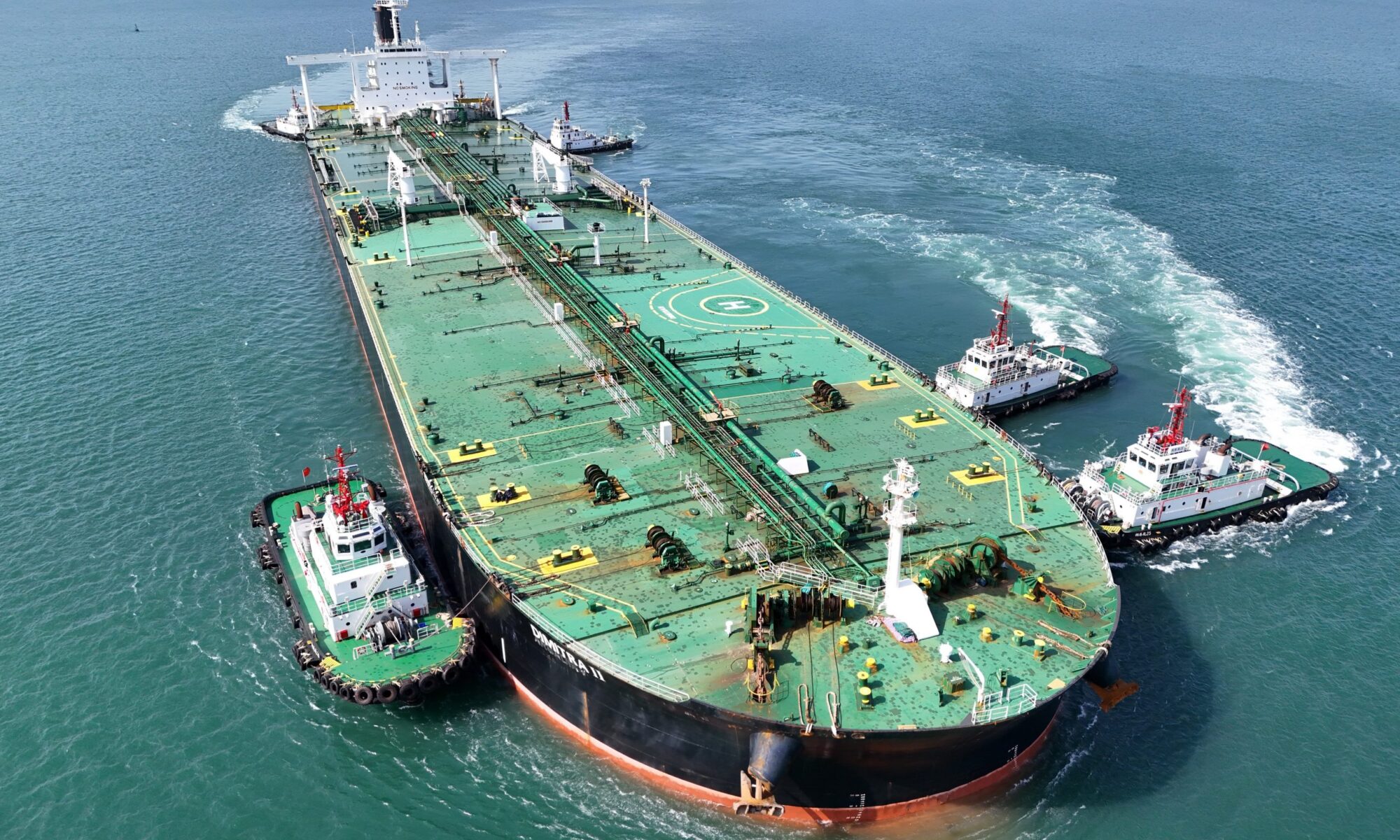
S&P Global estimates tankers associated with shadow fleet activity now represent around 22% of the global fleet, turning sanctions-driven shipping into a market force that mainstream owners can no longer treat as peripheral.
Key Takeaways
- The shadow fleet tanker market is now large enough to influence vessel availability, freight pricing and the commercial life of ageing tonnage.
- S&P Global estimates tankers associated with shadow fleet activity represent around 22% of the global fleet, while a separate estimate identified 2,083 oil tankers confirmed or suspected of sanctions violations at the end of June 2026.
- Platts has introduced dedicated shadow-fleet freight assessments, showing that the parallel trade has become large enough to require its own pricing transparency.
One figure changes the scale of the shadow-fleet debate.
Around 22% of the global tanker fleet is now associated with shadow fleet activity.
That estimate comes from S&P Global Energy, which said in July that the segment is reshaping tanker-market fundamentals, including vessel availability and utilisation. A separate S&P Global estimate put the number of oil tankers confirmed or suspected of sanctions violations at 2,083 at the end of June 2026.
The figures do not use an identical definition. There is no universally accepted test for what makes a vessel part of a “shadow fleet”, and datasets can include sanctioned ships, opaque ownership structures or vessels involved in sanctions-exposed trades.
But the commercial message is difficult to miss.
This is no longer a small group of old ships operating at the edge of the tanker market. It is a parallel shipping system large enough to affect freight, second-hand values, recycling, insurance and the amount of tonnage genuinely available to mainstream charterers.
The 22% Number Is Bigger Than It Looks
Tanker supply is often discussed as though every ship in the fleet is competing for the same cargo.
In practice, it is not.
A vessel may exist physically but be commercially unavailable to a major oil company or commodity trader because of sanctions exposure, ownership concerns, insurance, class status, age restrictions or previous trading history.
S&P Global’s 22% shadow-fleet estimate therefore raises a more useful question than simply asking how many tankers exist worldwide:
How many tankers are genuinely competing in the same commercial market?
If a substantial share of tonnage operates in a separate employment pool, the conventional fleet can be tighter than headline fleet numbers suggest. That makes shadow shipping a fleet-supply issue as much as a sanctions issue.
How the Shadow Fleet Tanker Market Became This Large
The shadow fleet tanker market expanded as sanctions on Russian, Iranian and Venezuelan energy trades created demand for vessels and service arrangements capable of operating outside the conventional Western maritime-services system.
Older tankers became particularly useful because their value in mainstream employment was already declining. A vessel approaching the end of normal oil-major acceptance may still have years of physical operating life remaining. If an alternative trade will employ it, the owner has an incentive to keep it trading rather than recycle it.
This helps explain why shadow-fleet growth can distort the normal relationship between newbuilding deliveries and demolition. ViewShipping has already examined how the crude tanker newbuilding wave will collide with an ageing fleet. The shadow market adds another variable: old ships do not necessarily disappear simply because newer tonnage arrives.
A Parallel Freight Market Now Has Its Own Benchmarks
The clearest sign that this has become a market of its own arrived on 3 August 2026.
Platts began publishing dedicated shadow-fleet tanker freight assessments, including clean-tanker routes and implied freight spreads for clean and dirty tanker trades.
That is commercially significant.
Freight benchmarks exist because market participants need a repeatable way to understand price formation. Once a trade is large enough for separate route assessments and implied freight spreads, it is no longer merely an opaque collection of individual fixtures.
For mainstream owners and brokers, the important point is that two overlapping tanker markets are now competing for ships, buyers, sellers and vessel lives under different risk assumptions.
A tanker that transfers into sanctions-exposed employment may leave the conventional position list. A vessel removed from sanctioned trade may not automatically return if insurers, class, charterers or financiers remain unwilling to accept it.
Why Mainstream Owners Should Care About Vessel Values
Shadow-fleet demand can change the economics of an old tanker.
Under a normal fleet cycle, ageing vessels gradually lose access to premium charterers, become more expensive to maintain and eventually approach recycling value.
Sanctions-driven employment can interrupt that process. If an older tanker still has access to profitable cargoes outside mainstream trades, its earnings potential may support a sale price well above scrap value and delay demolition.
But that does not make every elderly tanker a better asset.
A vessel with opaque trading history, sanctions exposure or uncertain insurance can have fewer credible buyers even when short-term earnings are attractive. It may be valuable inside one trading ecosystem while becoming increasingly difficult to finance or sell in another.
Insurance, Class and Flag Exposure Are Part of the Economics
The commercial divide is not created by sanctions lists alone.
Conventional tanker employment relies on a chain of acceptability: flag, class, P&I, hull insurance, beneficial ownership, technical management, vetting history and financial counterparties all need to remain workable.
ViewShipping’s analysis of war-risk insurance premiums showed how quickly insurance can move from a background cost to a voyage-defining commercial decision. Shadow-fleet vessels face a different risk profile, but the principle is similar: the availability, quality and enforceability of cover matter as much as the headline premium.
Flag changes and ownership restructuring also complicate due diligence. Charterers may need to examine historic managers, previous names, port calls, ship-to-ship activity and links to designated entities—not simply the registered owner shown today.
The Safety Cost Is No Longer Theoretical
The environmental concern surrounding older shadow-fleet tonnage became particularly visible this summer.
Reuters reported that the 25-year-old tanker Caroline Bezengi, carrying Russian crude and identified as part of the shadow fleet, grounded off Oman after suffering serious damage. By August, oil from the vessel had reached the Omani coastline while salvage teams faced difficult weather and technical conditions.
The incident does not prove that every shadow-fleet vessel is unsafe. Nor should age alone be treated as evidence that a ship is unseaworthy.
But it illustrates why technical condition, insurance and accountability matter. After a major tanker casualty, authorities need to know who can fund salvage, pollution response and wreck removal, which insurer stands behind the liability and whether the owner has sufficient resources to respond.
The wider market has already seen how risk can make a trade commercially unattractive even when it remains physically open. ViewShipping’s examination of Black Sea port-call risk showed that physical access means little when owners, crews and insurers are unwilling to accept the exposure.
Sanctions Are Expanding From Ships to the Support Network
Enforcement is also moving beyond simply naming individual tankers.
In July, the European Union’s 21st sanctions package added 41 more vessels to its shadow-fleet restrictions on top of 632 already sanctioned. The package also widened measures to vessels and entities supporting the fleet, including bunkering and other services.
Those measures matter because tankers need fuel, insurance, crewing, technical management, agents, terminals and repair facilities.
A restriction that removes access to one of those services can be commercially significant even when the ship itself remains afloat and technically operational.
What Happens If Enforcement Removes Significant Tonnage?
The obvious assumption is that stronger sanctions enforcement must push tanker freight rates higher.
The reality is more complicated.
If sanctioned cargoes continue moving but fewer shadow vessels are available, some demand could shift towards compliant tonnage and support freight. If enforcement reduces the underlying export volumes, tanker demand could fall with the cargoes.
If older shadow vessels become commercially stranded, recycling could increase. If they simply change ownership, flag or trading pattern and continue operating, the fleet impact may be much smaller.
The direction of freight will therefore depend on what disappears first: ships or cargo.
What Owners and Charterers Should Watch
The shadow fleet should now be monitored as part of normal tanker-market analysis rather than treated as a separate compliance story.
- Effective fleet availability: how much tonnage is genuinely acceptable to mainstream charterers in each region.
- Recycling: whether ageing sanctions-exposed vessels leave service or continue finding alternative employment.
- Freight spreads: how shadow-fleet pricing develops relative to conventional tanker benchmarks.
- Sanctions enforcement: whether restrictions increasingly target service providers, insurers, managers and bunkering networks.
- Casualty exposure: whether major incidents cause ports, flags, insurers or coastal states to tighten scrutiny of older and opaque tonnage.
A stronger enforcement regime can affect vessel values. Vessel values affect recycling. Recycling changes fleet supply. Fleet supply changes freight.
That is why a shadow fleet representing roughly one-fifth of global tanker numbers can no longer be treated as an accounting footnote.
Final Thoughts
The most surprising part of the shadow-fleet story is no longer that sanctions have created an opaque tanker trade.
It is the scale.
S&P Global’s estimate of around 22% means the shadow fleet tanker market has become large enough to influence the same fundamentals conventional owners analyse every day: available tonnage, second-hand values, demolition, freight, insurance and counterparty risk.
The launch of dedicated freight assessments makes that shift even clearer.
A parallel market has developed beside the conventional tanker system, using many of the same ship types and carrying many of the same cargoes, but operating under a different set of commercial constraints.
For shipowners and charterers, the question is therefore no longer whether the shadow fleet matters.
It is how much of the tanker market can still be understood without accounting for it.