Key Takeaways
- Syria and Myanmar flags were used by Russia-linked tankers for the first time during the second quarter.
- Neither Syria nor Myanmar operates an international ship registry, making any vessel broadcasting those flags definitively false.
- The total number of vessels tracked using fraudulent ship registries reached 580 by mid-2026.
The global maritime sector faces renewed regulatory challenges following confirmation that non-existent state flags have been adopted by sanctioned tonnage. The sudden appearance of Syria and Myanmar within Windward maritime intelligence data highlights the escalating reliance on fraudulent ship registries to circumvent international maritime restrictions and obscure true vessel identities.
Previous Position on Fraudulent Ship Registries
Historically, shadow fleet operators utilised established open registries, dormant administrative structures, or compliant minor flag states to obscure vessel ownership, ultimate beneficial beneficiaries, and statutory oversight. Earlier periods saw flags such as Nicaragua, Equatorial Guinea, Guyana, and the Netherlands Antilles frequently exploited to maintain continuous, uninterrupted trading operations for Western-sanctioned vessels seeking to evade detection.
What Changed
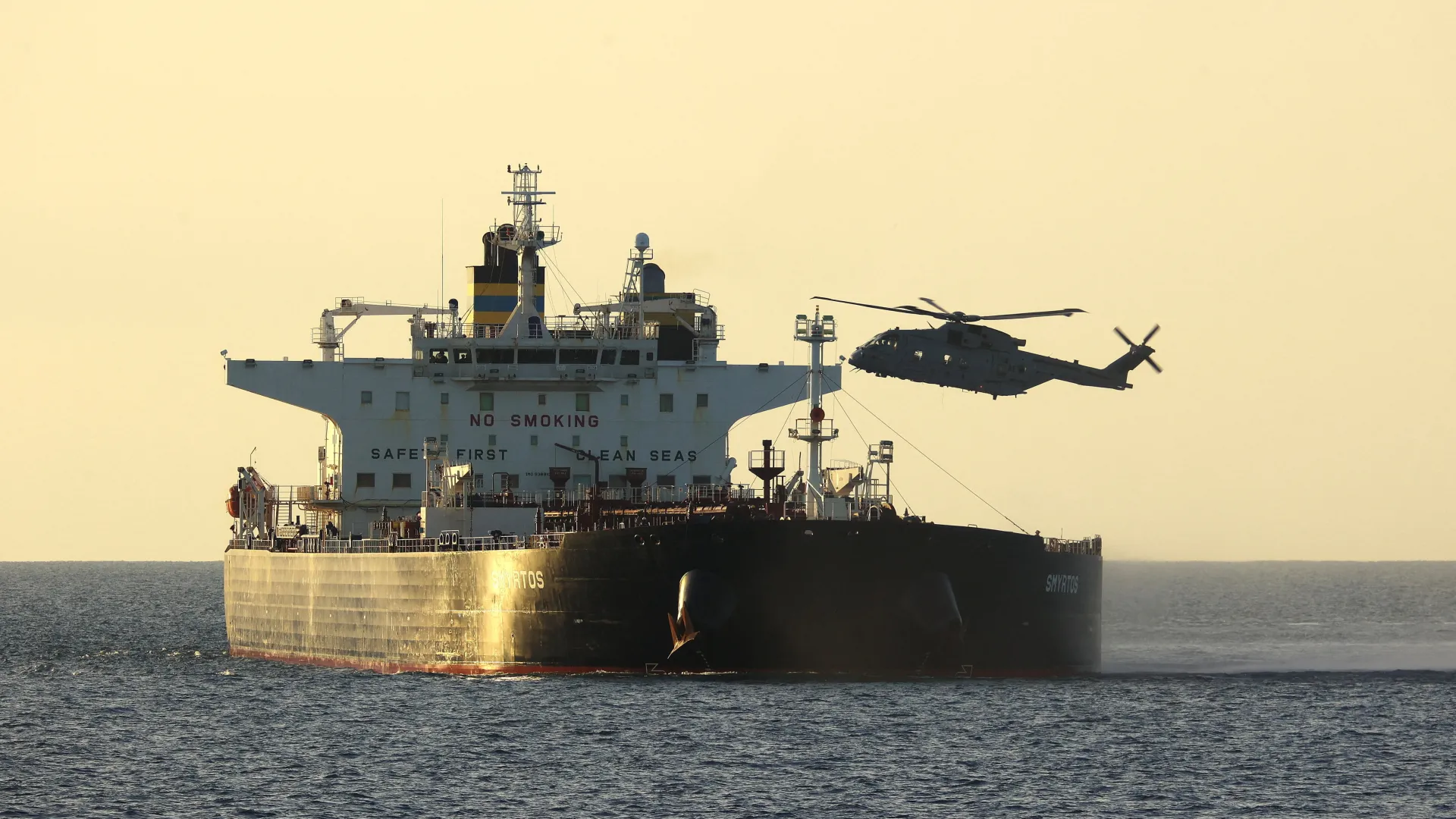
During the second quarter, Russia-linked tankers began falsely broadcasting the flags of Syria and Myanmar for the first time. Crucially, neither nation operates an international ship registry, rendering any vessel displaying these specific flags definitively fraudulent from an administrative perspective. Global tracking data compiled through the International Maritime Organization database indicates that the total number of falsely flagged vessels rose to 580, representing a 23.4% increase over the first half of the year as illegitimate registries proliferate globally to 22 distinct entities.
Effective Date or Implementation Status
The intelligence findings were formally published in August 2026, documenting deceptive broadcast activity tracked continuously throughout the second quarter of the year across multiple jurisdictions.
Who is Affected
Port State Control officers, classification societies, marine underwriters, flag administrations, and commercial operators navigating product tanker trade flows are directly impacted by these deceptive practices, which severely distort maritime domain awareness, statutory safety oversight, and navigational transparency worldwide.
Operational and Compliance Impact
The proliferation of phantom flags undermines traditional flag-state jurisdiction and core statutory compliance frameworks. Because roughly ninety percent of vessels utilising fraudulent ship registries are subject to Western sanctions, verifying authentic seaworthiness, valid safety management certificates, and rigorous compliance strategies becomes exceptionally difficult for marine insurers, financial institutions, and coastal enforcement authorities attempting to monitor regional waters.
Required Action
Compliance teams and vetting departments must cross-reference automated identification system transmissions directly against official IMO registry databases rather than relying blindly on transponder broadcast data. Commercial operators engaging in spot-market fixtures must enforce rigorous counterparty due diligence to prevent accidental association with illicit tonnage.
Final Thoughts
As enforcement authorities successfully clamp down on individual bogus administrations—such as landlocked Kyrgyzstan recently clarifying its total lack of authorised seagoing registrations—shadow fleet operators continue shifting rapidly to newly fabricated flag identities in a persistent game of maritime regulatory whack-a-mole.