Key Takeaways
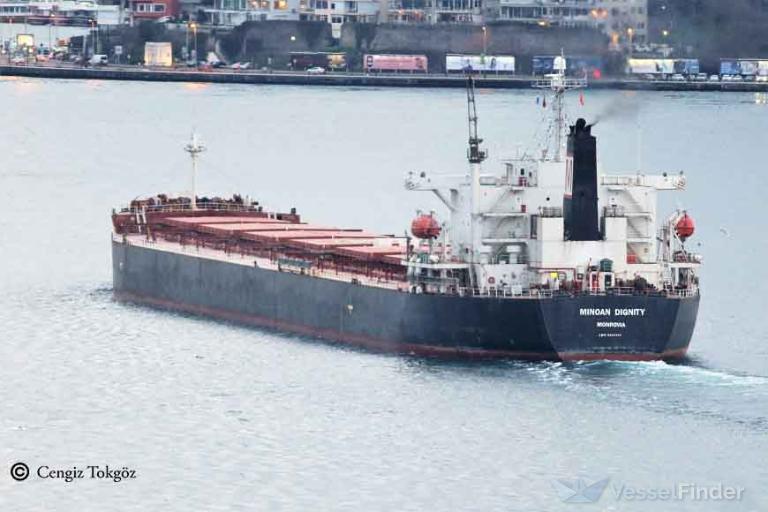
- A seafarer was killed when the Liberia-flagged bulk carrier Minoan Dignity was struck by a projectile while transiting.
- The fatal incident coincided with the expiration of a 60-day diplomatic agreement intended to secure commercial vessel transits.
- Commercial operators must urgently review crew safety measures, transit risk assessments, and compliance protocols following the escalation.
Security risks for commercial tonnage navigating the region have escalated sharply following a fatal projectile strike on a bulk carrier near Omani waters in the Strait of Hormuz transit zone. The incident highlights the growing physical hazards facing maritime crews and vessel operators as regional diplomatic arrangements falter and enforcement mechanisms shift across the crucial waterway.
Assessing risks in the Strait of Hormuz transit zone
The Liberia-flagged panamax bulk carrier Minoan Dignity was struck by an unknown projectile in the evening while transiting approximately five nautical miles off the coast of Oman. The impact breached the vessel’s engine room, resulting in the tragic death of the chief engineer. Subsequent helicopter evacuation attempts by commercial responders were unsuccessful, leaving rescue operations to the Omani Coast Guard. Simultaneously, Iranian state-linked media reported the separate detention of an unidentified UAE-owned tanker near Qeshm Island, though official confirmation from regional authorities remains pending amid conflicting local reports.
Important confirmed details
- The targeted 76,801 dwt vessel is managed by Athens-based Modion Maritime Management and registered to Asante Management Co.
- The attack occurred shortly after the expiration of a 60-day diplomatic memorandum of understanding between Washington and Tehran that had temporarily eased friction over commercial transits.
- Iran has maintained its intention to enforce new maritime transit fees and designated routing requirements for vessels navigating the corridor Oman’s voluntary fee plan.
- Industry analysts note little prospect of an immediate diplomatic breakthrough, leaving commercial shipping exposed to ongoing friction.
Operational and commercial implications
Shipowners and technical managers must urgently re-evaluate their risk assessments and voyage planning protocols for the Gulf of Oman and surrounding chokepoints for voyage planning in unsafe waters. The expiration of diplomatic safeguards means operators are returning to a high-threat environment where war-risk insurance premiums, crew reluctance, and regulatory compliance pressures intersect regulatory compliance during regional conflict. Masters face increasingly difficult decisions regarding automatic identification system management, transit timing, and how to safely navigate unverified local naval directives without compromising vessel safety or crew welfare.
What happens next
In the near term, maritime security specialists anticipate a tightening of defensive postures among commercial fleets navigating the Strait of Hormuz transit zone. Insurance underwriters are expected to review regional risk ratings following the fatality. With diplomatic channels currently stalled, operators will likely rely more heavily on independent security advisories and coalition naval guidance to coordinate safe passages.
Final Thoughts
The tragic loss of life aboard the Minoan Dignity demonstrates that geopolitical tensions in the Middle East directly threaten seafarer welfare. Protecting personnel and maintaining operational integrity will require heightened vigilance, robust threat evaluation, and disciplined regional coordination from every stakeholder across the global supply chain.