
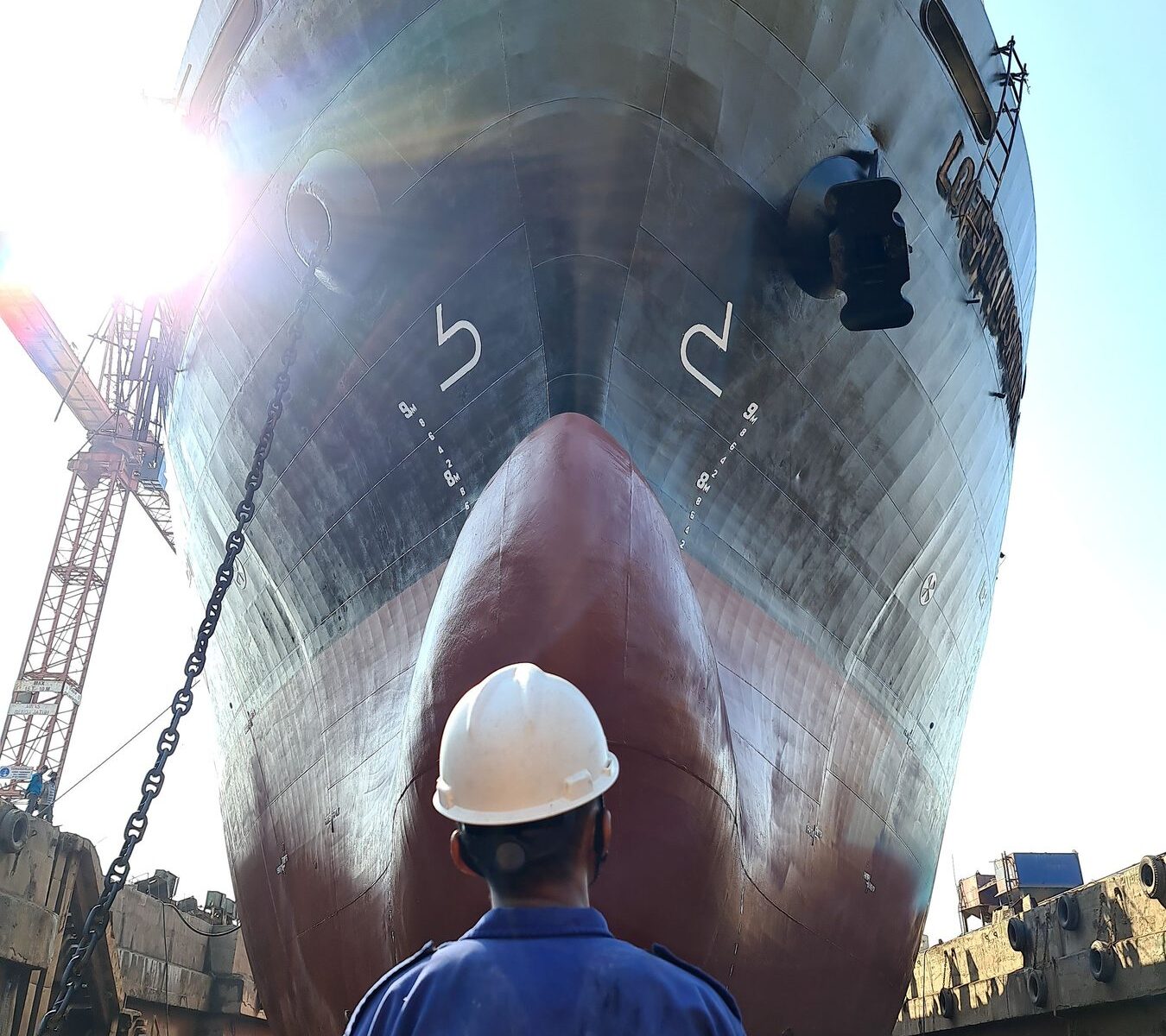
Special-survey preparation is a project-management exercise built around evidence, access and timely technical decisions.
Create the scope from authoritative records
Start with class status, survey programme, outstanding recommendations, thickness history, approved drawings and statutory certificate dates. Do not rely on a generic docking checklist.
The scope should identify which items require opening, testing, measurement, attendance or document review.
Inspect before the yard period
Early condition checks reveal coating failure, wastage, leakage, damaged closing appliances and machinery defects while there is still time to engineer repairs and procure materials.
Photographs should be indexed to location and supported by measurements where condition is uncertain.
Plan access and cleaning as survey work
A tank or space is not ready merely because the hatch is open. Cleaning, gas-free status, lighting, staging, ventilation and rescue arrangements determine whether inspection can proceed.
Poor access creates delay and can prevent the surveyor from crediting the examination.
Control steel and machinery repairs
Define measurement grids, renewal limits, material grades, welding procedures and approval hold points before cutting begins.
For machinery, align overhaul scope with maker recommendations, running hours, defect history and survey requirements rather than opening equipment without a decision basis.
Manage evidence and close-out daily
Maintain a live register of findings, repairs, tests, certificates and outstanding actions. Survey credit depends on traceable completion, not verbal confirmation.
The final package should allow the owner, class and next superintendent to understand exactly what was inspected and repaired.
Practical review checklist
- Current class and statutory status
- Pre-docking condition inspection
- Tank and space access plan
- Steel and machinery repair specifications
- Material and maker lead times
- Daily survey close-out register
Professional note: Confirm the latest class, flag, maker, contractual and vessel-specific requirements before acting on general guidance.