The security situation in the Strait of Hormuz has entered one of its most volatile phases yet, with tanker operators, insurers and industry bodies warning that the risk to commercial shipping now extends well beyond the strait itself and across the wider Gulf region.
International tanker association INTERTANKO issued fresh guidance this week stating that the latest cycle of violence demonstrates the threat now spans the region “from Kuwait and out into the Gulf of Oman,” rather than being contained to the strait’s narrowest point. The warning followed a series of attacks in which multiple tankers were struck by projectiles, resulting in at least one seafarer fatality and several injuries. A separate chemical tanker was also hit by an anti-ship missile in the Gulf of Oman, in an incident industry sources believe was a case of mistaken targeting during broader regional hostilities.
A Corridor Under Sustained Pressure
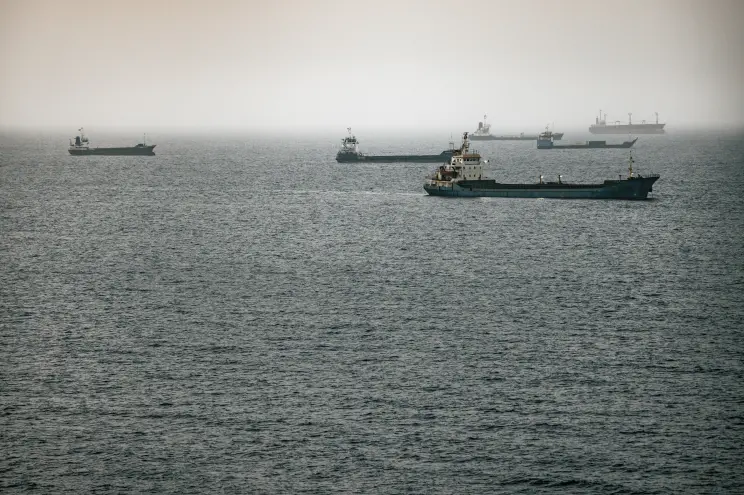
The Strait of Hormuz remains one of the most important chokepoints in global energy trade, historically carrying roughly a fifth of the world’s seaborne oil and a similar share of global LNG shipments. The current disruption traces back to escalating military conflict in the region earlier this year, which prompted warnings against foreign vessel passage and a sharp initial drop in transits, with a significant number of ships choosing to anchor outside the strait rather than risk the crossing.
Conditions have not meaningfully stabilized since. Maritime risk analysts now describe the situation as having returned to what one risk services CEO characterized as a “worst-case scenario” for oil tankers, citing at least nine vessels attacked in a single week as regional actors attempt to force ships onto specific approved routes through the strait.
Operational Impact for Vessel Operators
For owners, operators and crews, the practical consequences are significant and immediate:
- Rerouting and route restrictions — vessels are increasingly being directed toward specific corridors, adding complexity and time to transits that were previously routine.
- Elevated war-risk insurance premiums — as is typical in escalating conflict zones, tanker operators transiting the region face rapidly rising insurance costs, directly affecting voyage economics.
- Crew safety concerns — seafarer welfare organizations have flagged heightened anxiety among crews transiting the region, an operational reality that compounds the technical and commercial challenges owners are already managing.
- Reduced transit volumes — tanker traffic through the strait has fallen well below historical norms as owners weigh risk against commercial necessity, with knock-on effects for freight rates and vessel positioning across the wider tanker market.
Why This Matters Beyond the Region
Even for operators with no vessels currently transiting the Gulf, the Hormuz situation carries wider market implications. Reduced transit volumes through such a critical energy corridor put upward pressure on freight rates across comparable tanker routes as owners and charterers adjust risk appetite and voyage planning. Bunker markets and broader energy pricing are similarly sensitive to sustained disruption in a corridor this significant to global oil and LNG flows.
Industry bodies including INTERTANKO continue to update guidance as the situation develops, and coalition naval forces from several nations have expressed support for efforts to keep the strait navigable. For now, the operational picture remains fluid, and vessel operators with any regional exposure are being urged to monitor official maritime security guidance closely and reassess voyage risk on a continuous basis rather than a one-time basis.
The Takeaway for Maritime Professionals
The Hormuz crisis is a reminder of how quickly geopolitical developments can reshape core shipping economics — insurance costs, routing decisions, freight rates and crew welfare are all moving simultaneously in response to a single corridor’s instability. For an industry built on predictable global trade lanes, sustained disruption at a chokepoint of this scale is a development worth tracking closely in the weeks ahead.
ViewShipping will continue monitoring developments in the Strait of Hormuz and their impact on global shipping markets.