Key Takeaways
- South Korea is reviewing court-appointed examiner valuation methods to reform Korean maritime insolvency procedures.
- The ongoing legal review seeks to give creditors and debtors more room to negotiate restructuring before liquidation is.
- Shipowners and managers operating within the jurisdiction must monitor potential changes to debtor protection standards.
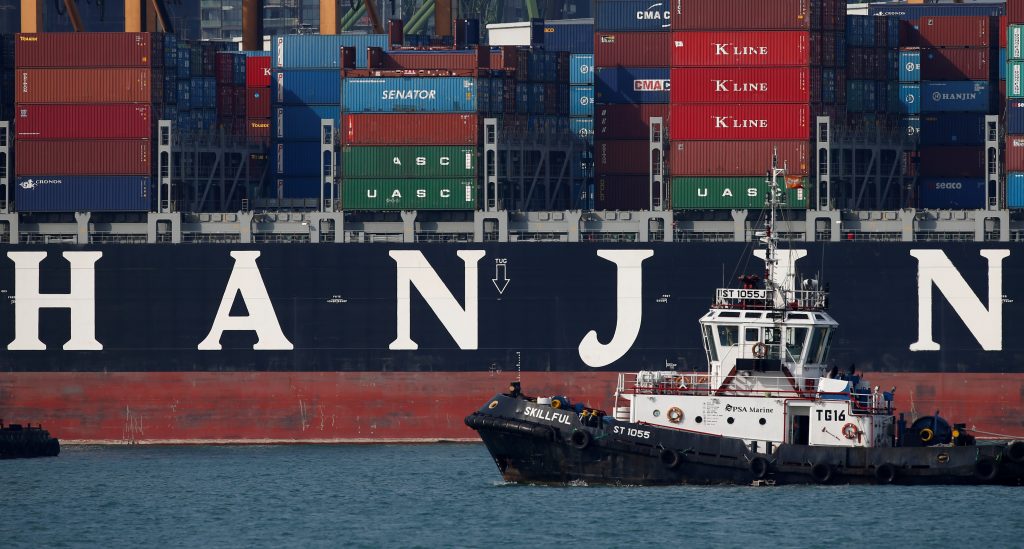
South Korea and the Seoul Rehabilitation Court are actively reviewing the legal framework for Korean maritime insolvency, examining how courts evaluate troubled maritime enterprises following lessons learned from historical industry collapses. The initiative targets the core valuation mechanisms applied during corporate rehabilitation proceedings under shipping regulation standards, balancing strict judicial oversight against long-term commercial realities in global shipping.
Evaluating Korean Maritime Insolvency Frameworks
Under the established legal system, the Seoul Rehabilitation Court has relied heavily on court-appointed examiners to calculate the exact liquidation value and going-concern value of distressed shipping companies. When examiner valuations concluded that a carrier’s liquidation worth exceeded its ongoing business value, statutory rehabilitation procedures were typically terminated, and bankruptcy liquidation followed swiftly.
What Changed
Authorities are now considering a reduction in absolute reliance on single-point examiner valuations. The proposed shift would allow creditors and debtors greater flexibility to negotiate commercial restructuring agreements, operational turnarounds, or new equity investments prior to any final liquidation ruling, drawing direct parallels to ongoing challenges seen across broader container logistics networks and historical market downturns.
Effective Date and Status
The regulatory and judicial review involving Korean maritime insolvency standards is currently underway within South Korea’s legal and maritime policy sectors. This effort is supported by newly established institutional initiatives, such as the Korea Maritime Institute’s shipping history task force, which is dedicated to analysing historical shipping crises and structural policy responses.
Who Is Affected
Shipowners, commercial managers, tonnage providers, financial institutions, and global liner operators interfacing with South Korean corporate law, maritime finance, and restructuring courts are directly impacted by these evolving judicial standards and policy evaluations.
Operational and Compliance Impact
A more flexible insolvency evaluation process could significantly alter how fleet assets, charter parties, and active vessel operations are managed during financial distress. Rather than facing immediate asset arrest or rapid fleet dispersion—reminiscent of past crises where ships were stranded globally—distressed carriers may secure prolonged operational continuity periods to restructure debts, protect cargo interests, or negotiate vital partnership agreements.
Required Action
Maritime legal counsel, risk managers, and asset operators overseeing tonnage connected to South Korean jurisdictions must monitor ongoing judicial reform proposals closely. Fleet operators should conduct thorough compliance reviews of counterparty exposure terms within existing charter and financing agreements to account for potential shifts in debtor protection standards.
Final Thoughts
Re-evaluating how courts balance statutory liquidation values against long-term commercial potential demonstrates a measured effort to adapt legal frameworks to the cyclical volatility inherent in modern shipping markets.