Key Takeaways
- VLCC charter rates through the Strait of Hormuz have surged to approximately $20 million per voyage due to.
- Soaring freight costs add roughly $10 per barrel to transport expenses, significantly reshaping voyage economics for energy traders.
- Heightened war-risk premiums and vessel compliance pressures have severely restricted active compliant tonnage in the Persian Gulf.
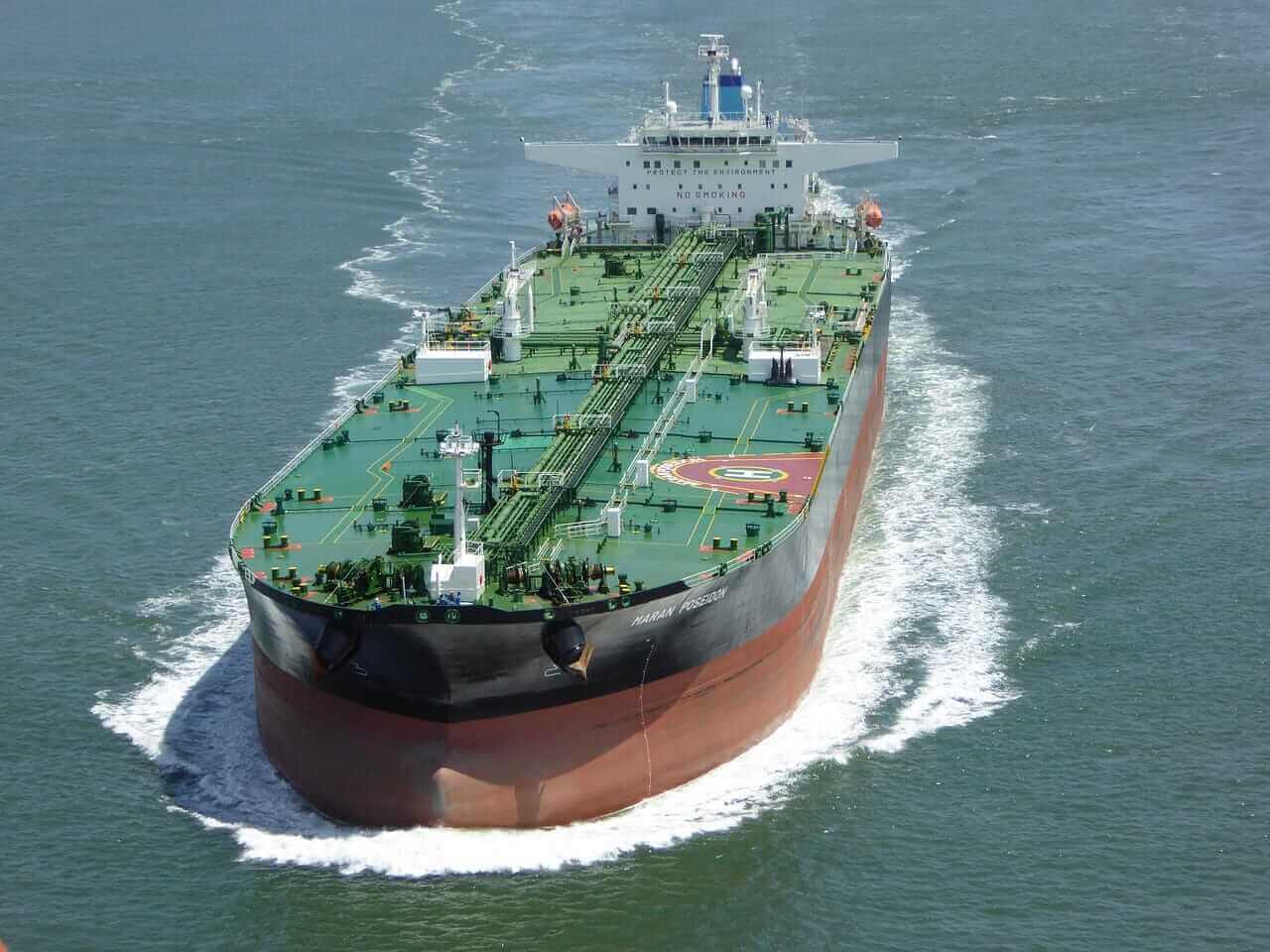
The cost of deploying a very large crude carrier through the Strait of Hormuz has escalated dramatically, with industry reports confirming that VLCC charter rates have surged to approximately $20 million per voyage. This unprecedented freight environment reflects severe logistics strain across Persian Gulf export hubs as Middle East security tensions persist, directly impacting how tanker freight rates behave during localized chokepoint disruptions.
VLCC Charter Rates and Market Development
Crude flows originating from key regional producers continue to navigate the critical waterway despite heightened operational risks. While producers absorb steep discounts on barrels inside the Gulf to clear inventories, astronomical transport expenses add roughly $10 per barrel in freight costs alone. Shipowners and well-capitalised traders capitalising on this volatility are securing extraordinary profit margins, transforming standard voyage economics.
Rate, Supply and Demand Context
Understanding how tanker freight markets react to regional friction requires examining fleet availability and risk exposure. Prior to the escalation, the corridor handled a substantial share of global oil transit. With various vessels facing compliance pressures or avoiding direct transits, active tonnage positioned to load inside the Gulf has tightened considerably. Meanwhile, broader fleet supply dynamics, including historical trends in crude tanker ordering, mean that immediate relief from new deliveries remains limited.
Drivers of Elevated Tariffs
The primary driver behind these elevated tariffs is the compounded effect of war-risk insurance premiums, crew reluctance, and regulatory friction. Authorities have maintained restrictive transit lists, blacklisting dozens of commercial vessels deemed non-compliant with local protocols. Consequently, charterers face severely restricted options, forcing competitive bidding for available compliant tonnage willing to operate in the high-risk zone.
Owner and Charterer Implications
For shipowners, current VLCC charter rates generate massive short-term cash flows, though operational risks and potential vessel detention hazards demand rigorous mitigation. Charterers, conversely, face crushing capital requirements. Energy majors and trading houses moving regional barrels must weigh the staggering cost of transportation against prevailing global benchmark prices, altering traditional commercial strategies and voyage calculations.
Near-term Outlook
Market indicators suggest a widening divergence between crude and refined product sectors. While constrained Hormuz logistics continue to support crude export movements, refined product markets remain disproportionately tight due to refinery disruptions elsewhere. Freight volatility is expected to persist as long as regional security constraints govern Persian Gulf load ports.
Final Thoughts
The spike in supertanker tariffs highlights the fragile interplay between geopolitical conflict and maritime logistics. As stakeholders adapt to high-cost operating realities, risk management and flexible chartering strategies will dictate commercial survival in Middle East crude trades.