
Key Takeaways
- Middle East logistics providers are increasingly utilising overland corridors and GCC cross border trucking to bypass maritime chokepoints.
- Rising maritime insurance costs, vessel delays, and geopolitical security risks are driving heavy investments in regional intermodal highway.
- Fleet operators must manage severe desert operating conditions, implement robust telematics, and streamline electronic customs documentation to prevent.
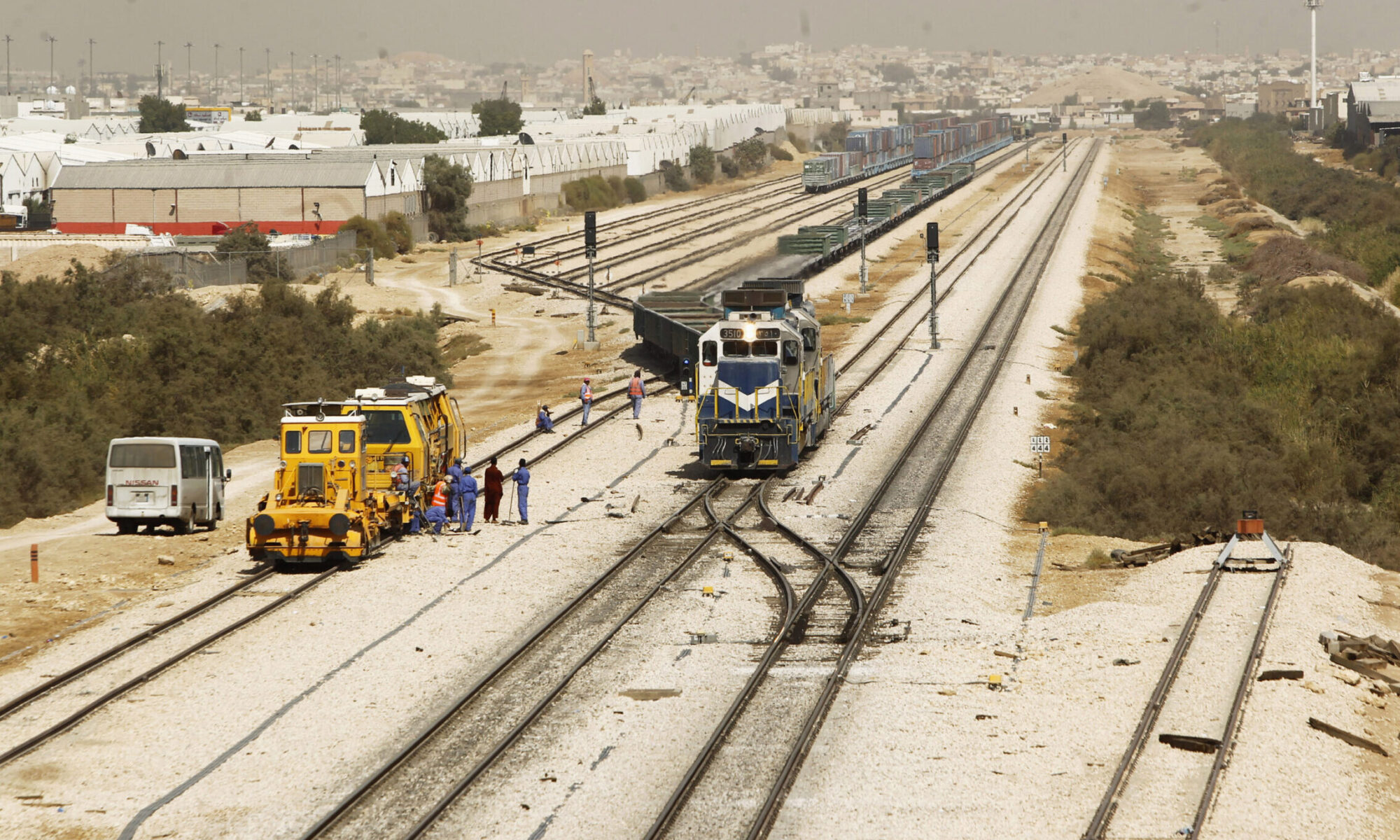
Logistics operators across the Middle East are increasingly relying on overland routes to maintain supply chain continuity IMO maritime standards. As regional maritime choke points create bottlenecks, GCC cross border trucking and intermodal rail corridors have evolved from supplementary options into primary commercial conduits. Scaling these land-bridges requires navigating complex regulatory frameworks, harmonising customs procedures, and expanding terminal handling capacity across multiple jurisdictions.
Operational Mechanics of GCC Cross Border Trucking
Maritime disruptions in the region Strait of Hormuz transit zone place immense pressure on regional port throughput and schedule reliability. When maritime transit corridors face severe security or navigational constraints, cargo owners must find reliable alternatives to bypass blocked sea lanes. Expanding overland capacity ensures that high-value containerised goods, industrial components, and essential commodities continue flowing between deep-water Arabian Gulf ports and Red Sea terminals without incurring indefinite delays. Furthermore, modern logistics operators rely heavily on optimized cargo tracking and supply chain analysis to monitor freight movements across the desert terrain.
Causes
The rapid acceleration of land-bridge logistics stems directly from heightened geopolitical risks in maritime zones and congestion at traditional transshipment hubs. Shippers face soaring marine insurance premiums and extended voyage times Panama Canal fees, prompting logistics providers to establish resilient multimodal networks. Furthermore, heavy investments in the Gulf Cooperation Council rail network and upgraded highway infrastructure provide the physical foundation required to handle hundreds of thousands of container movements annually.
Risks and Warning Signs
Scaling overland freight operations introduces distinct operational vulnerabilities. Common warning signs of network strain include extended dwell times at border inspection facilities, documentation discrepancies, and driver shortages during peak harvest or industrial cycles. Desert operating conditions also impose severe mechanical stress on heavy-duty prime movers, increasing the likelihood of unpredicted fleet maintenance downtime. Additionally, fragmented electronic data interchange systems between neighbouring states can obscure real-time cargo visibility, complicating compliance audits.
Prevention and Onboard Precautions
To mitigate overland transit risks, fleet operators must enforce rigorous pre-trip inspection protocols and utilise advanced telematics systems. Securing heavy container loads against extreme vibration and shifting desert terrain requires adherence to certified lashing and securing standards. Operators should also mandate comprehensive driver fatigue management systems, robust route risk assessments, and secure overnight parking arrangements along remote highway corridors to safeguard drivers and high-value cargo alike.
Practical Checklist or Response Actions
- Verify electronic customs documentation prior to dispatch to prevent border rejections.
- Inspect container twist-locks, chassis integrity, and tyre pressures before long-haul desert transits.
- Confirm real-time GPS tracking and geofencing parameters are active on all transport units.
- Establish clear escalation protocols for mechanical breakdowns or security incidents in remote areas.
Final Thoughts
Overland transport corridors have fundamentally transformed Middle East supply chain resilience. While maritime shipping remains the backbone of international trade, sophisticated logistics networks successfully leverage GCC cross border trucking to insulate regional commerce from maritime volatility. Maintaining this operational flexibility demands ongoing regulatory harmonisation and rigorous asset maintenance across all participating jurisdictions.