
Key Takeaways
- Beijing is actively promoting polar maritime corridors to bypass traditional global trade bottlenecks.
- Ice Silk Road shipping demands stringent Polar Code compliance, ice-class tonnage, and specialized icebreaker escort support.
- Shorter transit distances must be weighed against high seasonal risks, insurance costs, and limited operational windows.
Introduction
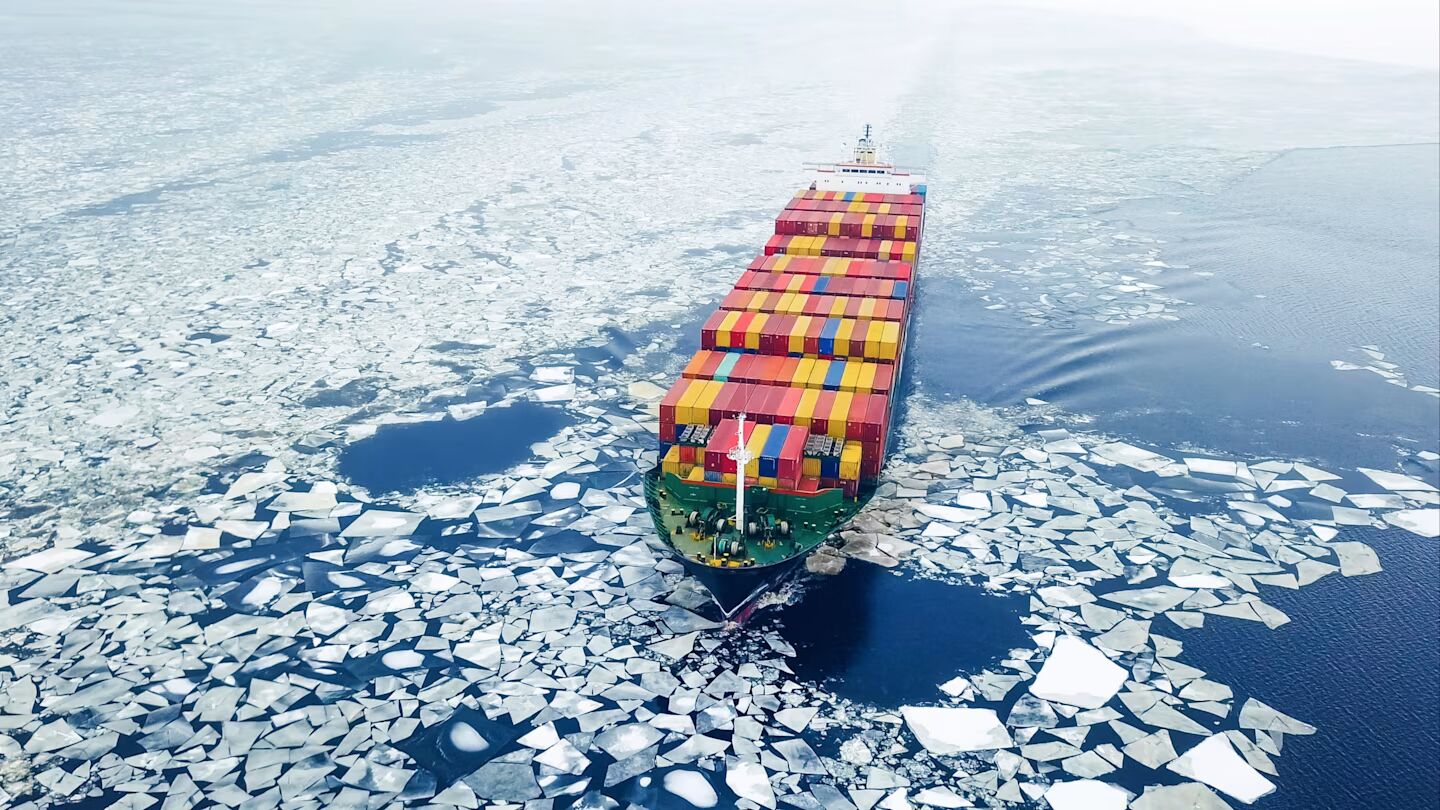
As global maritime supply chains face persistent chokepoint disruptions across traditional southern corridors, commercial interest in polar navigation has intensified significantly. Beijing’s promotion of Ice Silk Road shipping has brought renewed focus to high-latitude maritime pathways, transforming seasonal transit concepts into active operational strategies for international freight distribution.
What Happened
Chinese state-backed entities and commercial operators have steadily increased trial voyages along northern polar corridors. This strategic push relies heavily on targeted capital investments in modern ice-breaking infrastructure, dedicated escort services, and advanced satellite navigation systems designed to monitor shifting pack ice in real-time. While these routes were historically restricted to specialized bulk carriers and regional destination shipping, current commercial interest increasingly extends to broader logistics integration by tonne-mile efficiency analysis. Furthermore, regional port facilities along the Siberian coastline are receiving phased upgrades to support higher throughput capacity during peak summer sailing windows.
Important Confirmed Details: Ice Silk Road Shipping Operations
Navigating the Ice Silk Road shipping routes requires strict adherence to international polar safety frameworks. Key operational mandates include:
- Comprehensive structural hull reinforcements designed for certified ice-class compliance.
- Mandatory adherence to the Polar Code covering extreme cold-weather survival equipment.
- Specialized machinery winterisation and upgraded lifesaving appliances for sub-zero environments.
Unlike traditional southern routes via the Suez Canal or the Cape of Good Hope, Arctic transits demand highly specialized crew training, real-time meteorological routing, and dedicated icebreaker support to safely mitigate unpredictable freeze patterns and floating hazards.
Operational and Commercial Implications
While northern paths can significantly shorten nautical distances between major East Asian manufacturing hubs and European destination ports, overall commercial viability remains tightly constrained by narrow seasonal navigation windows, steep insurance premiums, and strict vessel size limitations. Commercial operators must carefully balance potential fuel savings and reduced bunker consumption against increased capital expenditure requirements for specialized ice-class tonnage, mirroring the operational pivots observed across other heavily constrained energy and dry bulk sectors including the LPG shuttle trade developments. Comprehensive contingency planning is also essential for managing sudden ice entrapment or unexpected route closures.
What Happens Next
Industry stakeholders are closely monitoring evolving regulatory updates from international maritime authorities with IMO maritime standards and guidance alongside ongoing infrastructure expansions at key Siberian transit hubs. Long-term commercial scale will ultimately depend upon the reliability of dedicated escort fleets, the predictability of seasonal ice melt cycles, and the future evolution of cargo insurance underwriting standards across volatile polar zones.
Final Thoughts
Expanding polar trade routes via Ice Silk Road shipping presents distinct logistical challenges that require rigorous, multi-faceted risk assessment. Successful commercial integration depends heavily on regulatory harmonisation, ice-class vessel availability, and verified operational safety standards rather than purely geopolitical ambitions.