
Key Takeaways
- Russia is importing nearly 270,000 tonnes of refined fuels from Asia following repeated strikes on domestic refineries.
- The unusual pivot has inverted product tanker trade flows, with refined products moving from Asian refiners back toward.
- Moscow has responded to domestic shortages by enforcing strict export bans on key fuels through January of next.
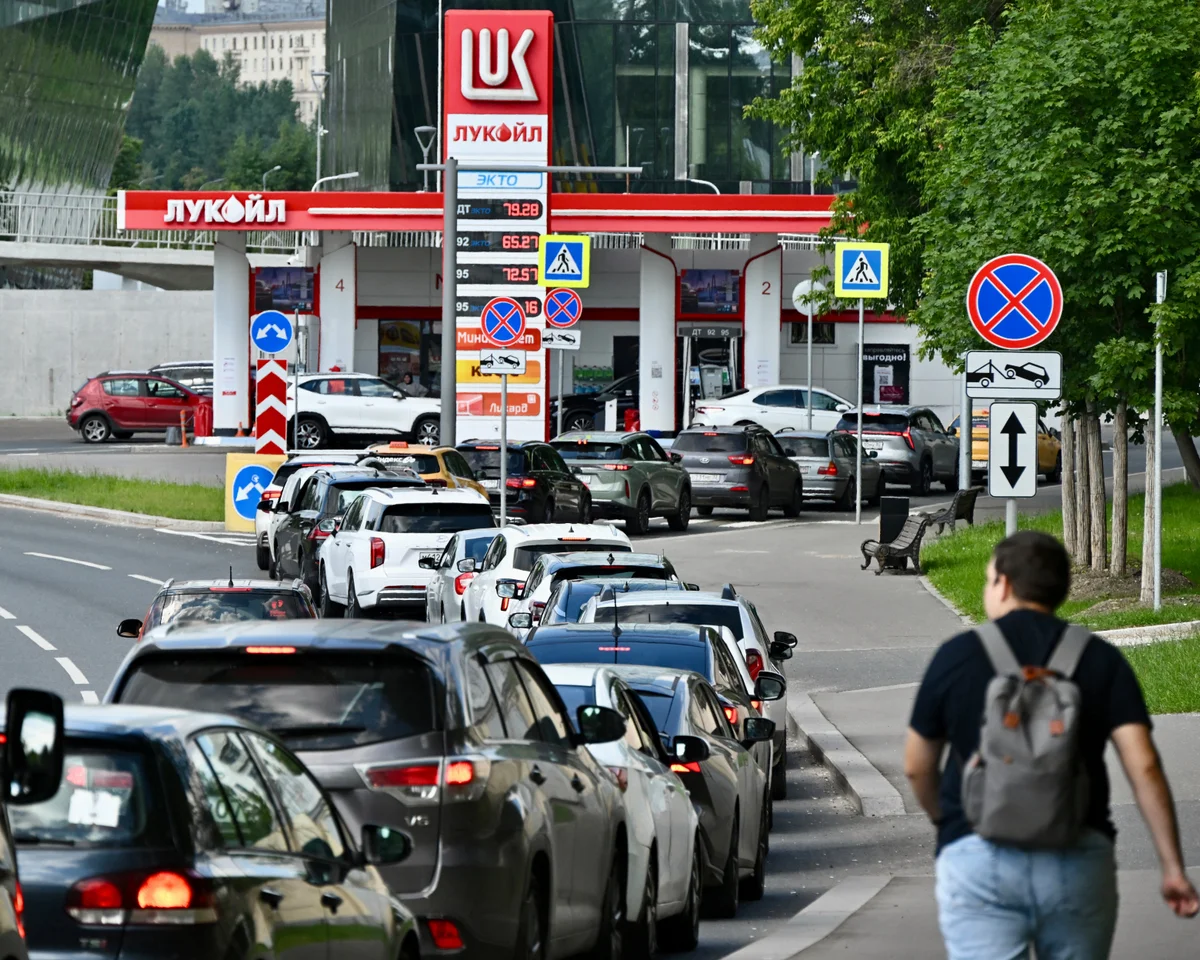
Sustained Ukrainian strikes on downstream processing facilities have forced Russia into an extraordinary reversal of its traditional energy logistics, upending product tanker trade flows across multiple regions. As one of the world’s primary net-exporters of petroleum products grapples with severe domestic shortages, preliminary shipping data reveals that Moscow is importing nearly 270,000 tonnes of refined fuels from Asian suppliers this month.
How Product Tanker Trade Flows Are Adapting to Crisis
The sudden shift has created a complex logistics loop where Russian crude sails east to Asian refineries before returning westward as finished petroleum products. Shipping records indicate that roughly a third of August’s incoming volume originated in India, with additional parcels transferred via ship-to-ship operations off Malaysia and South Korea. No comparable Asian product shipments moved toward Russia during July, underscoring the suddenness of the disruption.
This structural inversion directly stems from widespread damage at Russian refineries, which has occasionally left Moscow with surplus crude that domestic facilities cannot process. Consequently, maritime operators are observing anomalous voyage patterns that contrast sharply with historical trading routes analysed in broader assessments of global tonne-mile demand.
Rate, Supply, and Demand Context
To preserve dwindling domestic supplies, Moscow implemented a comprehensive export ban on gasoline, diesel, gasoil, and marine fuel running through January next year. While certain producer exemptions apply from September, the export closure has reconfigured regional bunkering and coastal distribution. These regulatory interventions interact directly with broader global tonnage supply trends as owners navigate fleet availability across core sectors, further influencing modern product tanker trade flows.
Drivers and Commercial Implications
The primary driver behind this trade reversal is infrastructure damage rather than seasonal consumption spikes. Regional authorities across at least ten Russian districts have tightened fuel sale controls, and filling stations near major metropolitan areas face intermittent outages. For shipowners and charterers, these developments introduce acute volatility into vessel scheduling and fixture execution.
Longer voyage distances required to source replacement fuels from distant Asian ports alter utilization rates for smaller product carriers. Operators must carefully evaluate voyage economics, considering how these disrupted pathways influence tanker freight rates and operational risk profiles in adjacent shipping lanes.
Near-Term Outlook
As repair timelines for damaged domestic refineries remain uncertain, these atypical import patterns are expected to persist through the winter heating season. Charterers operating in eastern and western basins will need to monitor how sustained import requirements and export restrictions modify regional vessel availability. Market participants must remain adaptable to sudden regulatory shifts and evolving maritime routing decisions reported by Splash247.
Final Thoughts
The pivot from exporter to importer highlights the vulnerability of downstream energy infrastructure. For the maritime sector, these shifting trade routes demonstrate how geopolitical conflict can rapidly reconfigure established commercial shipping patterns and vessel employment.