Key Takeaways
- Energy exporters are utilizing ship-to-ship transfers off Panama to bypass soaring Panama Canal fees and transit delays.
- Chevron-chartered Neopanamax vessels are slated to receive LPG cargoes transferred from smaller Panamax tankers on the Pacific coast.
- Record-high transit costs for unbooked vessels are reshaping traditional US-to-Asia energy shipping strategies.
Energy exporters, including Chevron Corp., are increasingly adopting ship-to-ship transfer strategies for US-to-Asia liquefied petroleum gas shipments. This operational pivot is a direct response to rising Panama Canal fees and mounting transit backlogs that have strained traditional trade routes.
The Impact of Soaring Panama Canal Fees
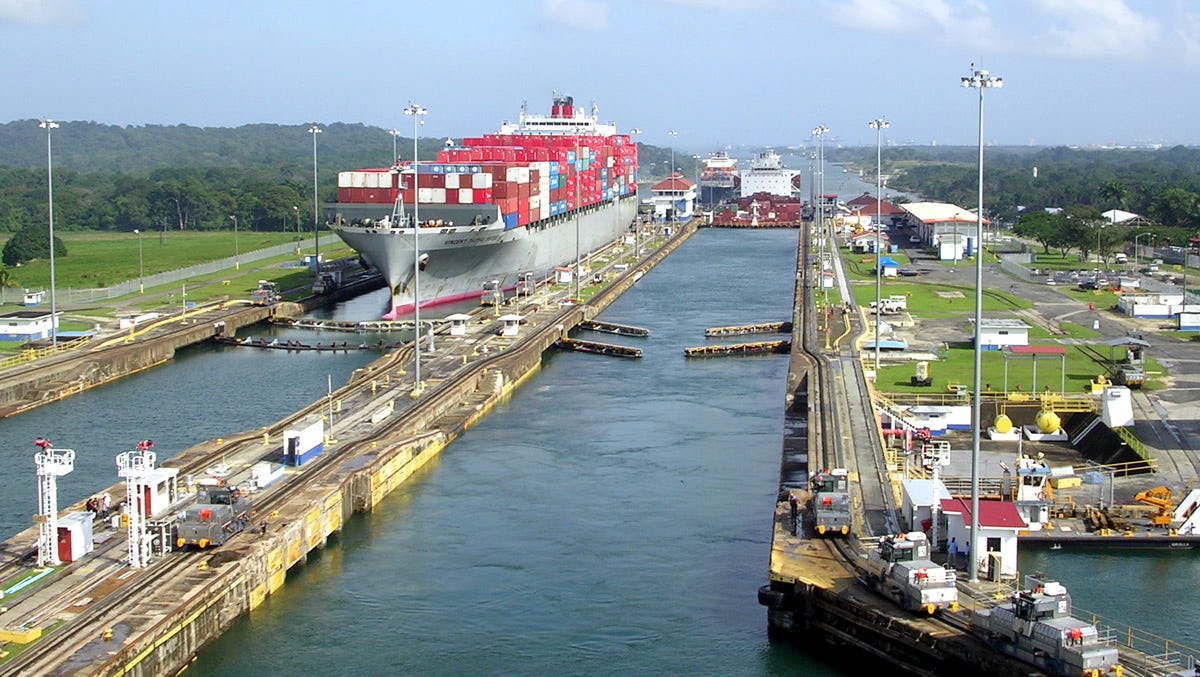
The busy Gulf Coast-to-Asia LPG trade typically relies on wider Neopanamax vessels. However, these ships face escalating transit costs and lengthy wait times. To mitigate these delays, charterers are utilizing smaller Panamax tankers to move cargoes through separate locks to the Pacific coast. These smaller vessels then offload their products via ship-to-ship transfers onto larger Neopanamax carriers for the Pacific crossing. Such tactical shifts are directly influencing maritime tonne-mile demand and broader trade dynamics across the sector.
Important Confirmed Details
Shipping fixtures indicate that two Neopanamax tankers chartered by Chevron, the Fritzi N and the Pacific Yantai, are scheduled to receive LPG cargoes off the port of Balboa on Panama’s Pacific coast. Meanwhile, transit fees for vessels arriving without pre-booked slots have reached record highs, driven by a combination of Central American drought conditions affecting water levels and heightened geopolitical energy flows.
Around 60% of US LPG exports have gone to Asia so far this year, according to Kpler data, demonstrating a persistent growth trajectory compared to previous periods. Ships seeking transit typically pay a flat rate via reservation, but lengthening queues for larger vessels are forcing some shippers to swap reservations or pay exorbitant fees to bypass the regular line.
Operational and Commercial Implications
For charterers and operators, navigating these logistics requires careful management of fleet growth trends and voyage economics. While Panamax transit rates have remained comparatively stable, the cost of securing immediate passage for larger tonnage creates severe financial pressures. Shippers are forced to weigh the high expense of priority slot acquisition against the operational friction of undertaking mid-voyage transfers.
The fee for a Neopanamax tanker arriving without a booking to transit immediately recently spiked to an all-time high of $4.6 million. This financial reality encourages commercial managers to seek creative workarounds, directly altering established maritime supply chains and introducing new operational risks associated with transfer hubs.
What Happens Next
As long as water levels remain constrained and regional geopolitical tensions continue to influence global energy distribution, secondary logistics workarounds are likely to persist. Market participants will monitor lock availability and fee adjustments closely to determine whether shuttle transfers become a permanent fixture of transpacific gas logistics while managing overall Panama Canal fees and transit schedules.
Final Thoughts
The emergence of this secondary transfer market highlights the flexibility required by modern energy logistics providers. When primary transit corridors face severe bottlenecks and unpredictable expenses, commercial stakeholders must rapidly adapt their chartering strategies to maintain supply chain continuity.