
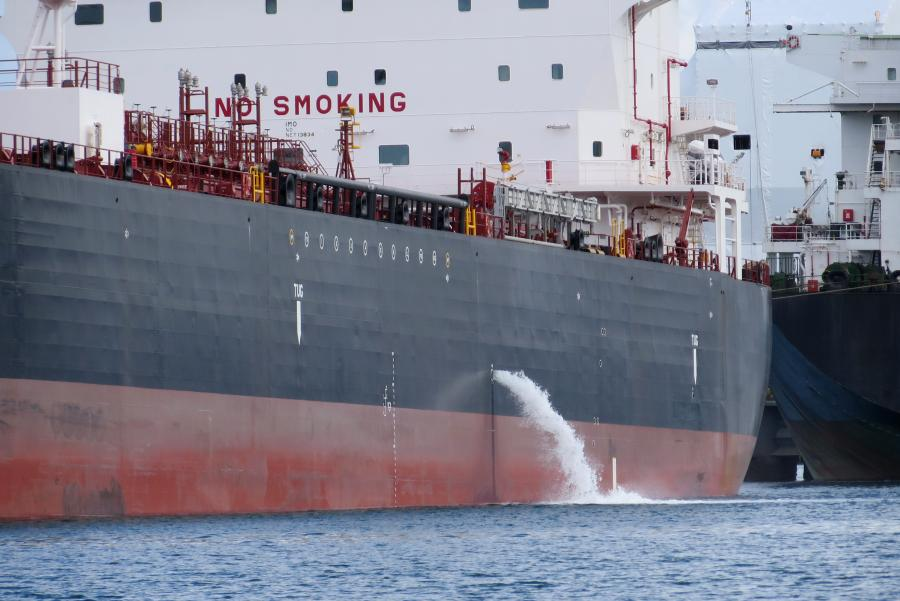
Ballast water management has become a core operational issue for modern shipping. Ballast water is essential for maintaining trim, stability and structural loading, but it also carries organisms from one region to another. When those organisms are discharged in a different ecosystem, they can become invasive and create major environmental harm. That is why ballast water management systems, commonly called BWMS, are now a standard topic in ship operations and marine engineering.
What a BWMS is designed to do
A ballast water management system treats ballast water so that living organisms are removed, neutralised or rendered unable to reproduce before discharge. The system must help the vessel comply with the IMO Ballast Water Management Convention and, where relevant, port state or regional requirements.
The typical treatment sequence
- Sea water enters the ballast line during ballast uptake.
- A filtration stage removes larger organisms and sediment.
- A disinfection stage treats smaller organisms and microbes.
- Monitoring and control systems verify that treatment is operating within approved limits.
- During discharge, some systems apply neutralisation or additional control steps depending on the treatment technology.
Main treatment technologies
Most commercial systems use one or a combination of the following approaches:
- Filtration plus UV treatment: water passes through filters and then receives ultraviolet irradiation to damage organisms so they cannot reproduce.
- Electrochlorination: the system generates disinfectant from seawater and uses it to treat ballast water.
- Chemical dosing or other approved methods: less common in some fleets but relevant depending on system design and vessel profile.
Operational points ship staff must understand
- Treatment capacity must match the vessel’s ballast pump rate and operating profile.
- Water quality, temperature and salinity can affect system performance.
- Filters need regular maintenance and differential pressure monitoring.
- UV systems require clean lamps, sensor reliability and awareness of water turbidity.
- Electrochlorination systems require attention to residual oxidants, neutralisation and safety precautions.
Documentation and compliance
A practical guide to BWMS must also include the administrative side. Vessels need an approved ballast water management plan, a ballast water record book and crew familiarity with the operating manual. Surveyors and inspectors may check both hardware condition and evidence that the crew understands how the system is run.
Common problems in service
Many operating issues are not dramatic failures but avoidable reliability problems. Fouled filters, poor calibration, sensor drift, low UV transmittance, dosing inconsistencies and insufficient crew familiarity can all create trouble. Good maintenance and training are therefore essential.
A BWMS should be treated as an operational system, not just a one-time compliance installation.
What a marine professional should remember
- Understand the treatment principle installed on board your vessel.
- Know the system’s operating envelope and limitations.
- Keep records accurate and complete.
- Treat maintenance, spares and crew training as part of compliance, not an afterthought.
When understood properly, ballast water management becomes less mysterious. It is simply the combination of environmental responsibility, approved treatment technology, disciplined operation and documentary compliance.
One comment