
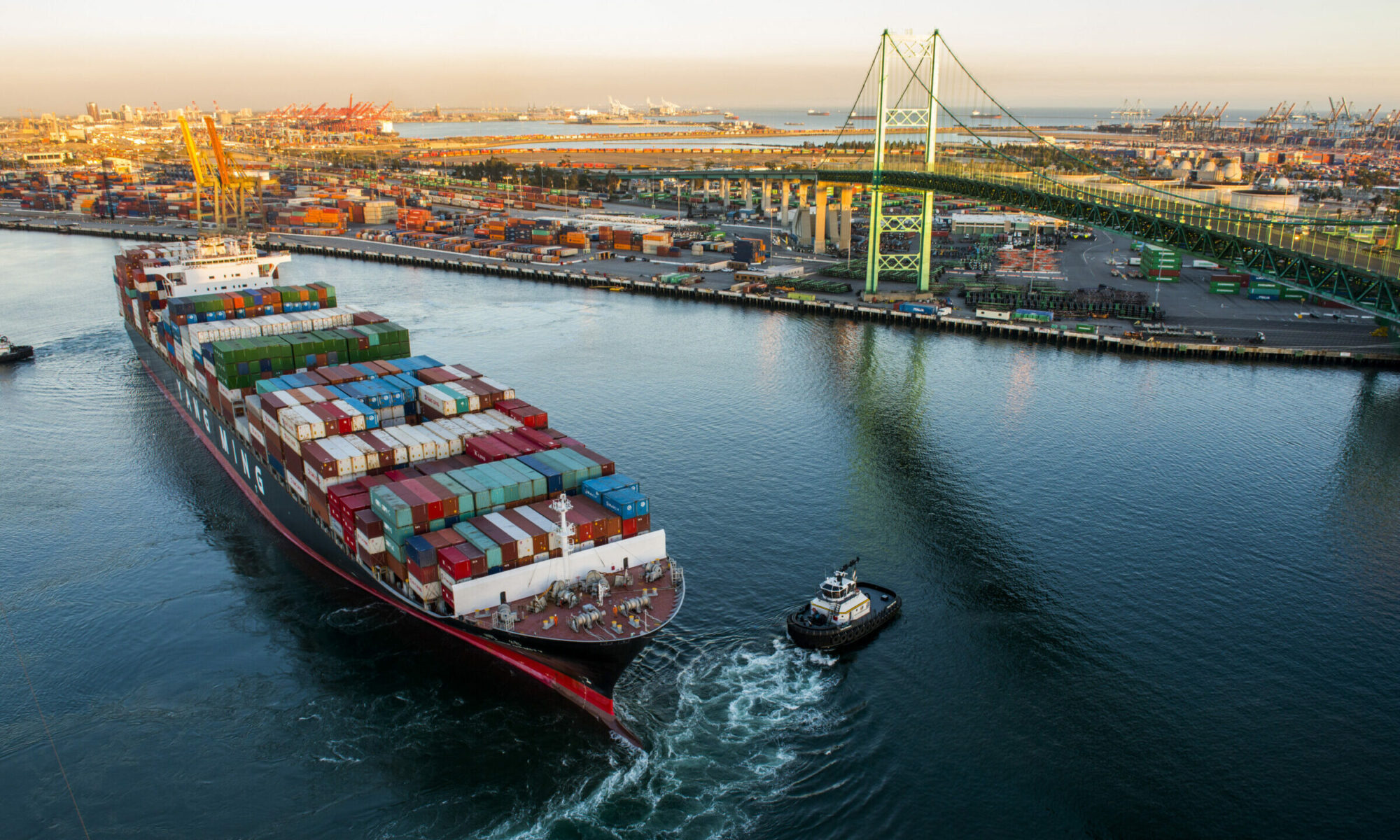
Green shipping corridors are moving from conference talking points to practical pilot projects. In simple terms, a green corridor is a trade route where ports, shipowners, cargo interests, fuel suppliers and regulators work together to reduce emissions faster than would normally happen through market forces alone. These corridors are important because they create a focused environment in which new marine fuels, supporting infrastructure and commercial arrangements can be tested at scale.
For the maritime industry, the appeal is straightforward. Decarbonisation is no longer a theoretical issue. Charterers are placing sustainability requirements in tenders, investors are evaluating carbon risk more closely, and shipowners are making long-life fleet decisions in a period of fuel uncertainty. Green corridors can reduce that uncertainty by giving the industry a place to learn quickly.
Why corridors matter commercially
The commercial value of a corridor is often underestimated. When stakeholders agree to work on a specific route, they are not just talking about emissions. They are also creating clearer demand signals for fuel suppliers, stronger visibility for ports planning infrastructure, and better decision-making data for shipowners considering newbuilding or retrofit investments.
- Ports can justify investment when they know which vessels and fuels are likely to call regularly.
- Operators can assess fuel availability, crew training needs and voyage economics more realistically.
- Cargo owners can align emissions targets with actual shipping activity rather than generic ambitions.
- Financial institutions gain a clearer basis for evaluating future-proof assets.
The fuels behind the discussion
Different corridors are exploring different decarbonisation pathways. Some are centred around LNG as a transition fuel. Others focus on methanol, ammonia, battery support for short-sea sectors, biofuels or combinations of several solutions. The right answer depends on route length, vessel type, cargo economics, safety considerations and regional policy support.
In practice, the industry is learning that infrastructure readiness matters just as much as vessel readiness. A vessel may be technically prepared for a lower-carbon fuel, but if bunkering, certification, crew competence or emergency response arrangements are missing, the route cannot scale smoothly.
What ports and shipowners are learning
Ports involved in corridor discussions are expanding their role. Historically, ports were often treated mainly as physical interfaces for cargo and vessels. Today, leading ports are becoming energy transition coordinators. They are engaging with terminal operators, utility providers, fuel suppliers, class societies and local governments to create the conditions required for cleaner shipping.
Shipowners, meanwhile, are learning that fuel choice cannot be separated from trade pattern analysis. A new vessel ordered today may remain in service for twenty to thirty years. That makes route certainty, customer requirements and refuelling flexibility central parts of the investment case.
Challenges that still need solving
- Alternative fuel cost remains high compared with conventional marine fuels.
- Safety standards and crew familiarisation need further development for several fuel types.
- Regulatory alignment between regions is still evolving.
- Long-term cargo commitments are often needed before infrastructure investment becomes bankable.
The most successful corridors will be the ones that link environmental ambition with operational realism and commercial discipline.
What this means for the wider industry
Even companies operating outside formal corridor projects should pay attention. The lessons coming out of these routes will influence newbuilding specifications, terminal expectations, charter-party clauses, fuel procurement strategies and even future crewing requirements. Corridors effectively function as early laboratories for the next phase of global shipping.
For maritime professionals, the main takeaway is clear: green corridors are not only about sustainability branding. They are becoming a practical framework for accelerating vessel technology, fuel infrastructure and commercial adaptation across the industry.
Key takeaways
- Green corridors create focused real-world test environments for low-emission shipping.
- Their value lies in commercial coordination as much as environmental intent.
- Fuel readiness, safety and infrastructure must progress together.
- Lessons from these routes will shape wider fleet and port decisions across the marine sector.
2 comments