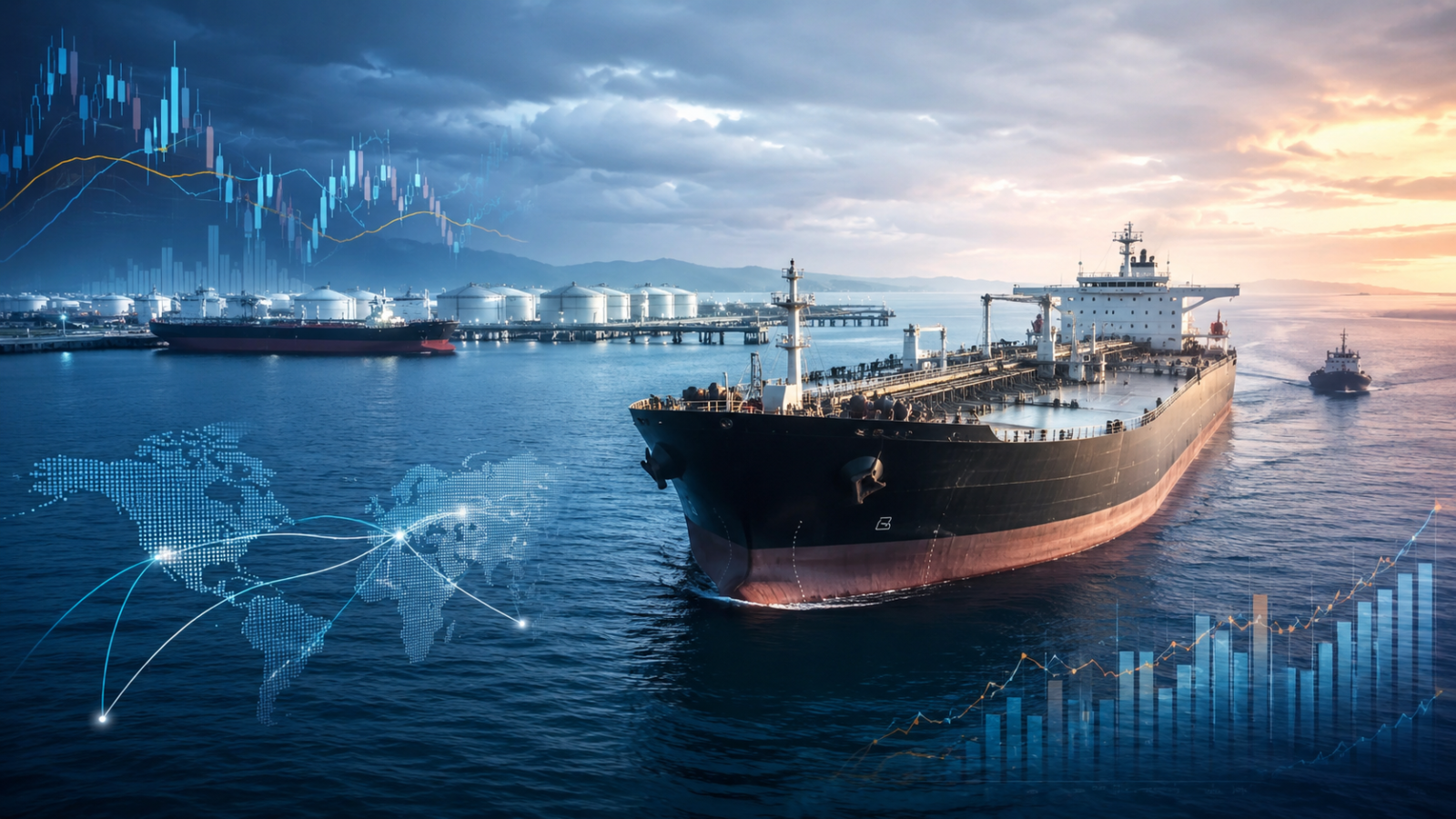
Automation at sea is no longer confined to high-level marketing brochures or futuristic concepts. Modern commercial vessels already rely on automation for engine control, machinery monitoring, route optimisation, cargo handling support, alarm management and energy efficiency improvement. While the degree of automation varies by vessel type and owner strategy, the trend is clear: digital systems are becoming increasingly integrated into day-to-day ship operation.
What ship automation really means
In practical terms, automation means allowing systems to monitor, control or optimise functions that previously depended more heavily on manual intervention. This does not remove the importance of people. Instead, it changes the role of crews and shore teams from continuous manual execution to supervision, decision support and exception management.
Key areas of application
- Engine and auxiliary machinery monitoring, including pressure, temperature and performance trends.
- Power management systems that balance generator loading and electrical demand.
- Integrated bridge systems that combine navigation, voyage planning and situational awareness.
- Cargo and ballast automation that helps operators maintain safer, more stable conditions.
- Remote diagnostics and predictive maintenance platforms that support shore-side technical management.
How safety improves
Automation can improve safety by giving crews earlier warnings, clearer visibility and more stable control. A well-designed alarm and monitoring system highlights abnormal trends before they become failures. Automated machinery protection can also help prevent damage when operating limits are approached.
On the bridge, integrated systems can reduce workload and improve situational awareness when used correctly. In the engine room, trend monitoring and remote diagnostic support can help maintenance teams act before a component reaches a critical condition.
How efficiency improves
Efficiency gains come from better information and faster optimisation. Power management systems can reduce unnecessary fuel burn. Voyage optimisation tools can suggest more efficient routes or speeds based on weather and schedule requirements. Condition monitoring can reduce breakdown risk and support more intelligent maintenance planning.
The biggest benefit of automation is often not that a system can act, but that it can reveal patterns humans might miss when pressure is high and information is scattered.
The limits and risks
Automation is not a substitute for seamanship, engineering judgment or robust training. Overreliance on systems can create complacency. Poorly designed human-machine interfaces can also increase confusion rather than reduce it. Cybersecurity becomes more important as systems become more connected, especially when remote monitoring and data transfer are involved.
That is why automation should always be implemented with clear procedures, crew competence development and disciplined failure-mode thinking. Systems should support decision-making, not weaken it.
What maritime professionals should focus on
- Understand the logic of automated systems, not just their user screens.
- Know how to operate safely when systems fail or data becomes unreliable.
- Develop strong cybersecurity awareness alongside technical competence.
- Use automation data to improve maintenance and operational decisions, not just compliance reporting.
In short, modern ship automation improves safety and efficiency when technology, people and procedures are aligned. The future of shipping will not simply be more automated. It will be more data-informed, more connected and more dependent on professionals who can manage that complexity well.
One comment