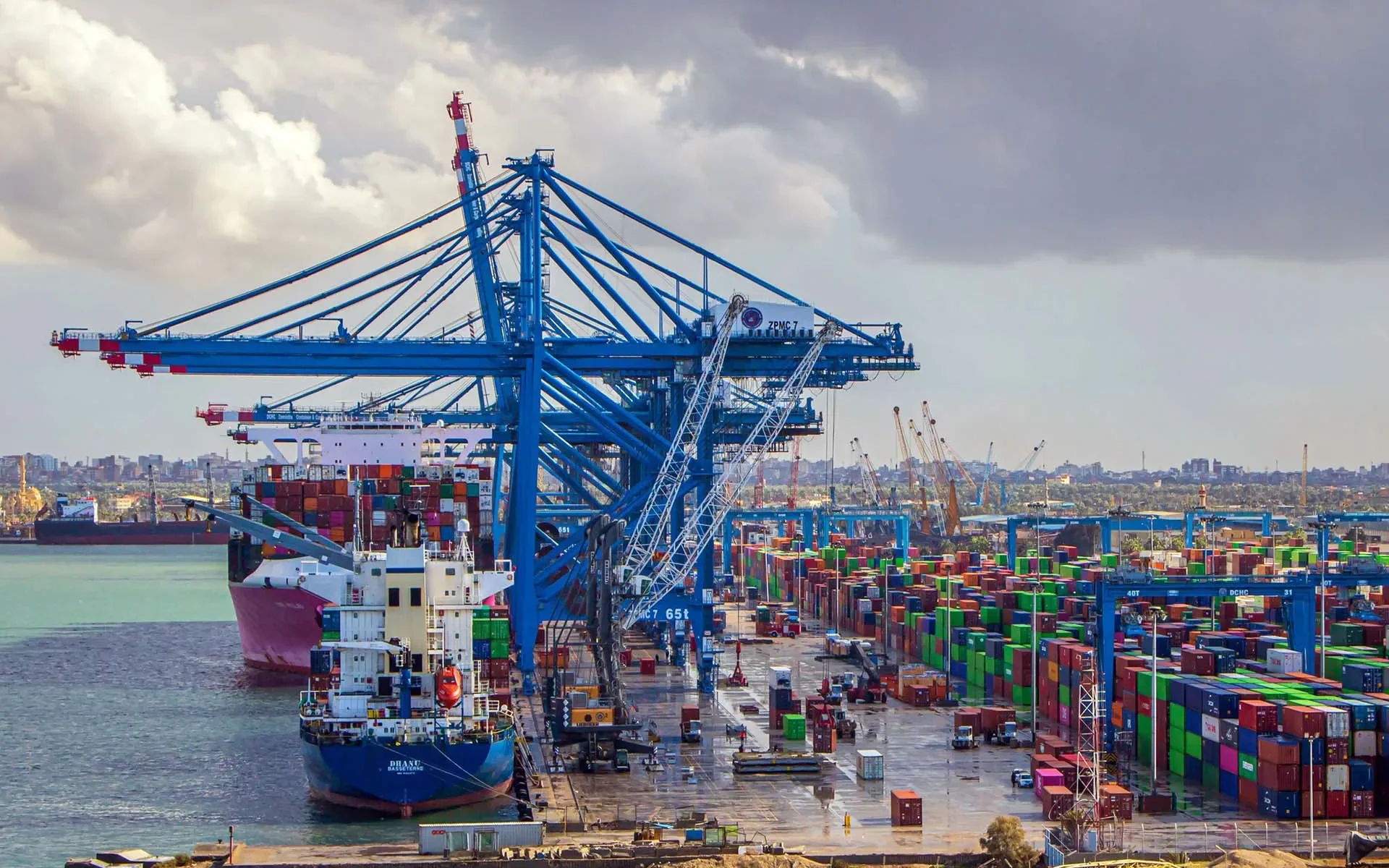
Egypt's assurance that Damietta Port is operating normally after a drone attack will not, by itself, satisfy the due diligence requirements of prudent shipowners and charterers.
Egyptian authorities have moved quickly to reassure the maritime industry that Damietta Port is operating at full capacity following a reported drone attack on or near the facility. The official statement is intended to signal continuity and discourage any disruption to vessel scheduling, cargo flows or charterer confidence. In the current geopolitical climate across the eastern Mediterranean and Red Sea region, however, official reassurances are only one piece of the puzzle that operators need to assess before committing vessels and cargo.
What We Know and Why the Gaps Matter
The precise nature, timing and target of the drone incident remain subjects of active reporting. What is confirmed is that an incident occurred and that Egyptian port authorities felt it necessary to issue a public statement affirming operational continuity. That act of reassurance, in itself, tells us something: there was enough concern circulating in the market to require a formal response. Authorities do not issue ‘full capacity’ statements unless the question of capacity has been raised.
Damietta is a strategically significant port. It serves as one of Egypt’s primary container and general cargo gateways, handling substantial volumes of grain, fertilisers, containers and project cargo. It also sits within the broader Suez Canal corridor ecosystem, meaning any perceived instability there carries amplified commercial and logistical weight well beyond Egypt’s domestic trade.
The Operational and Commercial Implications
For shipowners and operators, the immediate practical questions are not philosophical. They are contractual, insurance-related and scheduling-driven.
War Risk Insurance
Underwriters will be watching this incident carefully. If Damietta or its approaches are added to or highlighted on any Joint War Committee listed areas or equivalent advisory notices, war risk premium adjustments will follow almost automatically. Owners trading vessels into Damietta should check their current war risk cover, confirm whether the port falls within any existing exclusion zones or notice areas, and engage their brokers proactively rather than reactively. A drone incident — even one that causes no significant structural damage — can be sufficient to trigger additional premium loadings or require specific underwriter approval before entry.
Charter Party Considerations
Charterers directing vessels to Damietta should review the safe port warranty provisions in their charter parties with particular attention. The classic formulation requires a port to be prospectively safe at the time of nomination. An incident involving an aerial attack — regardless of the immediate damage outcome — introduces a question about whether that standard is currently met, or whether owners retain the right to refuse nomination pending further assessment. This is not a theoretical exercise; it is a live contractual question that both sides of the fixture need to consider.
Cargo and NOR Implications
If berths remained available and cargo operations continued uninterrupted, then Notice of Readiness tendering and laytime counting should be unaffected. However, if there were any periods of suspension — even brief ones for security sweeps or emergency protocols — those windows need to be documented carefully. Laytime disputes arising from undocumented interruptions are entirely avoidable with proper contemporaneous records from the vessel and agents.
The Broader Regional Security Context
It would be misleading to treat this incident in isolation. The past couple of years have seen a material escalation in drone and missile activity across the Red Sea, Gulf of Aden and parts of the eastern Mediterranean. The Houthi campaign against commercial shipping has forced route diversions, elevated war risk premiums across the region, and fundamentally changed the risk calculus for vessels trading east of Suez. Damietta, while geographically distinct from the Bab el-Mandeb chokepoint, is not entirely insulated from the regional instability. Any incident touching Egyptian port infrastructure will be read by the market through that wider lens.
Egypt has significant strategic and economic incentives to maintain the perception of stability around its port infrastructure. The Suez Canal remains one of the country’s most important sources of foreign currency, and Damietta’s container and bulk operations are integral to the national economy. Egyptian authorities will therefore exert considerable effort to demonstrate resilience. That is understandable and, in operational terms, generally helpful — but owners and operators should conduct their own independent verification rather than relying solely on governmental assurances.
What Owners, Masters and Charterers Should Do Now
- Contact your war risk underwriters or P&I club to confirm current advisory status for Damietta and the surrounding area before fixing or confirming any voyages.
- Review charter party safe port provisions and assess whether a fresh nomination or confirmation from charterers is warranted given the changed circumstances.
- Instruct vessels and local agents to maintain detailed contemporaneous records of any operational interruptions, security protocols or delays — even minor ones — for potential laytime and off-hire purposes.
- Monitor Joint War Committee notices and any government travel or maritime advisories closely over the coming days as the situation develops and reporting becomes clearer.
- Brief masters on heightened vigilance protocols during approach, anchorage and port operations — not as a cause for alarm, but as sound seamanship in a heightened-risk environment.
Agents at Damietta should be asked directly, not via intermediaries, about the current operational status, any security restrictions in force, and whether berthing windows have been affected. First-hand agent intelligence is worth considerably more than official press statements when planning vessel movements.
Final Thoughts
Egypt’s prompt public assurance that Damietta is operating at full capacity is the right institutional response, and there is no particular reason to disbelieve the broad thrust of it. Ports are resilient infrastructure, and a single drone incident rarely disrupts a major facility for long. But ‘operating at full capacity’ and ‘presenting no elevated risk to vessels calling there’ are two different statements, and only the first one has been made. The second is what owners, underwriters and charterers actually need to assess for themselves.
In a region where the security environment has shifted measurably in recent years, the professional standard is active, independent due diligence — not passive reliance on official reassurances. The operators who manage this well are those who treat every credible security incident as a trigger for a structured review, regardless of the outcome. That discipline is not pessimism; it is exactly what the situation demands.