
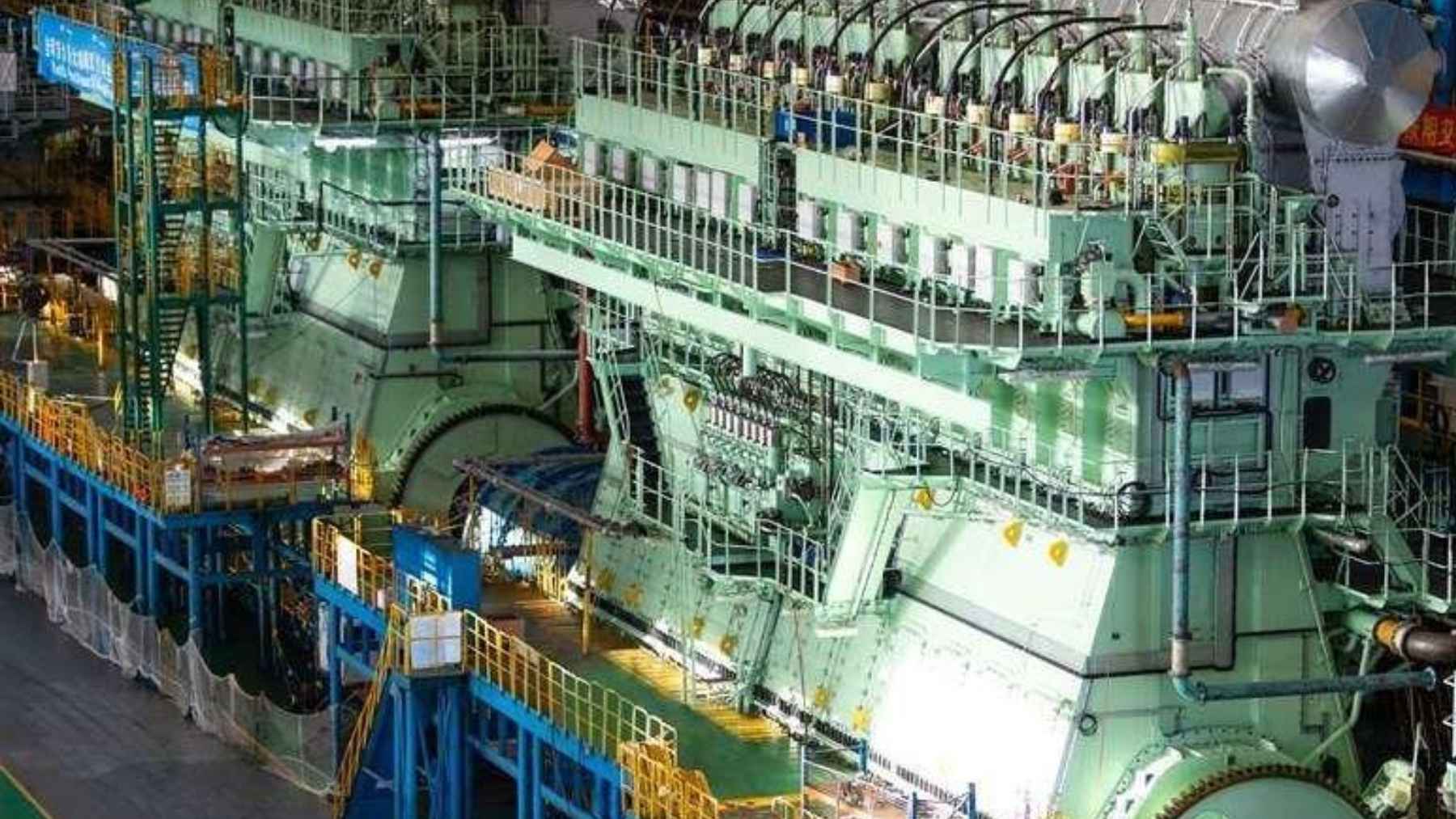
The integration of alternative marine propulsion options into commercial shipping fleets has moved beyond concept designs and early pilot tonnage into mainstream shipbuilding. As shipyards ramp up production Mitsui E&S clears Japan's first WinGD methanol engine, technical superintendents, chief engineers, and yard quality teams face complex procedures. Commissioning a large **methanol dual-fuel engine** requires rigorous preparation, distinct safety protocols, and specialised alignment between mechanical engineering and automated fuel-gas supply systems. Unlike conventional fuel oil installations, methanol introduces specific chemical, toxicological, and operational challenges that demand precise engineering oversight during factory acceptance testing and dockside trials. Managing these advanced assets successfully relies on an unyielding adherence to safety standards, deep familiarity with low-pressure fuel behaviour, and rigorous cross-functional coordination between the shipyard, equipment manufacturers, and vessel operating crew.
Technology and Vessel Development
Modern low-pressure two-stroke propulsion systems designed for alcohol-based fuels represent a significant evolution in marine engineering. Manufacturers have adapted traditional slow-speed diesel architecture to handle the low flashpoint and lubricity characteristics of alternative fuels. Recent manufacturing milestones, such as factory acceptance testing completed for large low-pressure dual-fuel units Mitsui E&S clears Japan's first WinGD methanol engine, demonstrate that heavy industry capacity is expanding across global shipbuilding hubs. These powerplants typically combine low-pressure fuel admission valves with nitrogen oxide abatement technologies, such as selective catalytic reduction systems, to comply with stringent environmental mandates without sacrificing thermal efficiency.
Integrating these systems comparing the new marine fuels into deep-sea tonnage, including very large crude carriers and bulkers, requires a fundamental reassessment of machinery space layouts. Fuel preparation rooms, double-walled piping arrangements, and dedicated ventilation zones must be seamlessly incorporated into the vessel’s structural design well before steel cutting commences. Shipyards and engineering houses must also account for the thermal and mechanical stresses unique to dual-fuel combustion profiles, ensuring that bedplates, frame structures, and exhaust ducting are dimensioned to withstand long-term operational vibrations.
How a Methanol Dual-Fuel Engine Works
A methanol dual-fuel engine operates on the principle of high-pressure or low-pressure fuel injection combined with a pilot ignition mechanism. In low-pressure configurations, methanol is supplied to the combustion chamber via electronically controlled valves at pressures significantly lower than those required for diesel-cycle gas injection. A small quantity of pilot fuel is injected first to ensure stable ignition of the alcohol-air mixture, guaranteeing clean and complete combustion across varying engine loads.
The fuel supply system relies on a complex network of pumps, heat exchangers, and purging units designed to maintain fuel temperature and viscosity within acceptable operational limits. Automated safety systems continuously monitor double-walled piping integrity, compartment gas concentrations, and ventilation performance. If any anomaly is detected, the control system instantly isolates the methanol supply and flushes the entire line with inert gas or diesel oil. During factory acceptance testing and commissioning, these automated safeguarding sequences must be thoroughly tested through simulated fault insertions to verify response times and fail-safe valve closures under emergency conditions.
Claimed Benefits
The primary advantage of adopting a methanol dual-fuel engine lies in its immediate contribution to greenhouse gas reduction strategies, particularly when utilizing bio-methanol or e-methanol variants. Unlike liquefied natural gas, methanol remains liquid at ambient atmospheric temperatures and pressures, simplifying bunkering infrastructure how IACS rules are adapting and removing the need for cryogenic containment systems.
- Lower capital expenditure for bunkering infrastructure compared to cryogenic fuels.
- Significant reductions in sulphur oxides, particulate matter, and nitrogen oxide emissions.
- Operational flexibility enabling seamless switching between conventional marine gas oil and alcohol fuel.
- Simplified tank design that can utilise standard double-bottom ballast or structural fuel tanks.
- Easier ship-to-ship and truck-to-ship transfer operations using standard chemical connection flanges.
Technical Limitations
Despite clear environmental advantages, technical challenges remain pronounced during the commissioning phase. Methanol possesses poor lubricity compared to standard marine diesel fuels, requiring specialized cylinder lubrication oils and surface treatments for fuel pumps and injector components. Furthermore, its lower volumetric energy density means that vessels must carry approximately double the fuel volume to achieve equivalent operational ranges, impacting deadweight capacity and trim management.
Material compatibility is another critical concern. Certain elastomers, copper alloys, and gasket materials degrade rapidly when exposed to methanol, necessitating exhaustive verification of component certifications during outfitting. Purging procedures must be executed flawlessly to prevent flammable vapour pockets from forming within the machinery spaces. Technical superintendents must audit all material test reports to guarantee that no non-compliant seals or valves are inadvertently installed in the fuel supply train.
Commercial Practicality
From a commercial perspective, deploying these advanced propulsion systems requires close alignment between shipowners, shipyards, and classification societies. Superintendents must ensure that crew training programmes comparing the new marine fuels run parallel to shipyard commissioning schedules. Familiarity with toxic fuel handling, emergency shutdown protocols, and regulatory compliance how IACS rules are adapting is non-negotiable for engine room personnel.
Operating costs will heavily depend on the long-term availability and pricing stability of green methanol bunkering hubs worldwide. Technical teams must therefore verify that fuel conditioning modules can handle varying fuel grades without inducing excessive wear on injection equipment. Commercial viability also hinges on maintaining high schedule reliability, which requires onboard engineering teams to master routine maintenance routines for seals, filters, and double-walled ventilation fans.
Industry Outlook
As regulatory frameworks tighten and charterers demand lower carbon supply chains, the adoption of low-pressure alternative fuel engines will accelerate across diverse vessel segments. Shipbuilders are actively expanding testing facilities and manufacturing capacity to meet anticipated order books. However, successful fleet integration will ultimately depend on rigorous adherence to commissioning standards, comprehensive crew competence, and robust international safety codes. Industry stakeholders must continue sharing operational feedback from early vessels to refine design standards and streamline future shipyard installations.
Final Thoughts
Commissioning large marine methanol dual-fuel engines marks a transformative step for technical management teams. By maintaining meticulous attention to detail during factory acceptance testing, installation, and initial sea trials, maritime operators can mitigate technical risks and secure reliable long-term operational performance in an evolving regulatory environment.
While engineers focus heavily on commissioning complex dual-fuel systems, standard foundational machinery maintenance remains critical when a marine diesel engine won't start during routine operations.