
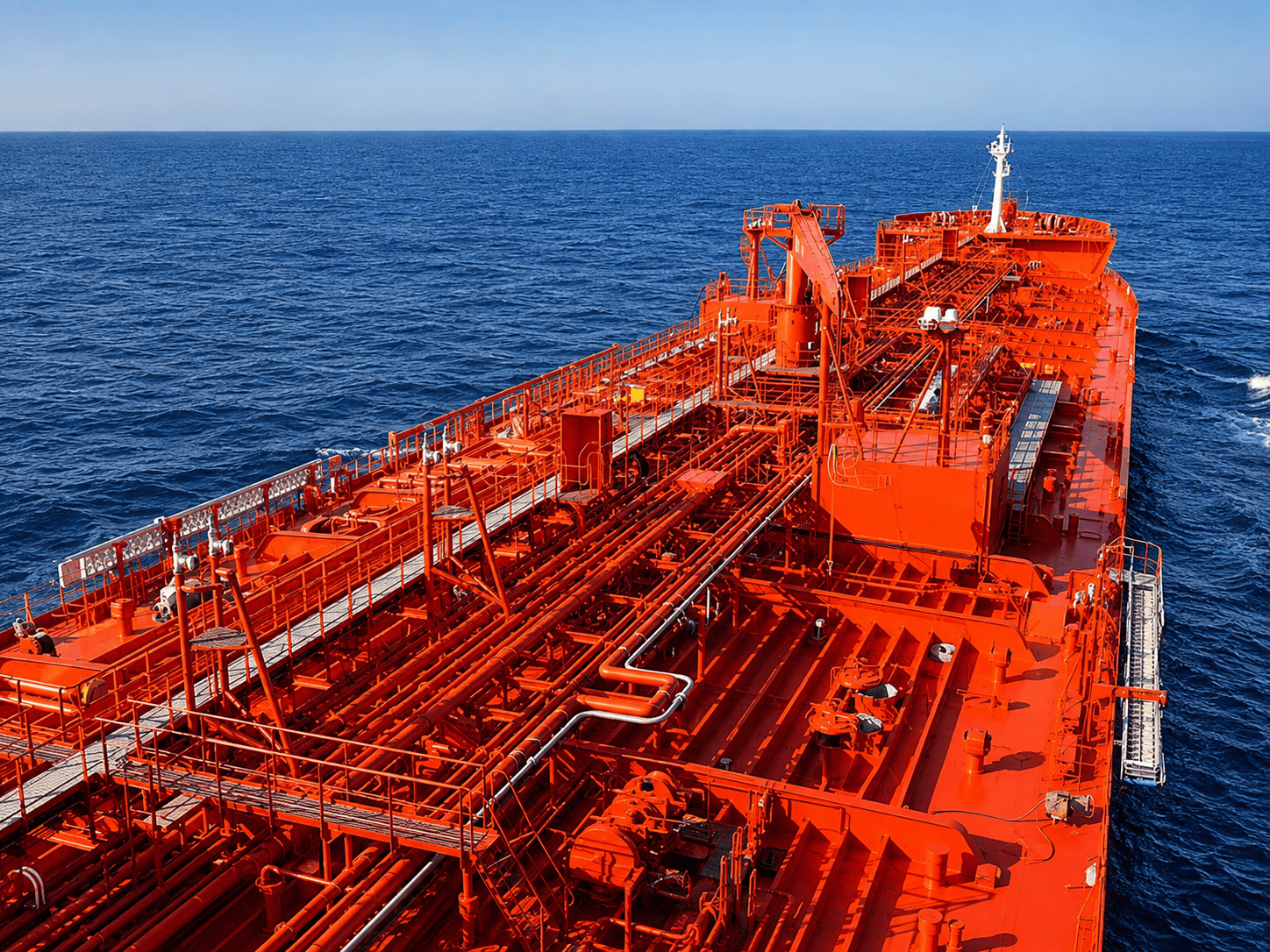
Greek ship management company Goldenport has expanded its dry bulk contracting footprint by committing to additional ultramax newbuildings at Chinese shipbuilder Nantong Xiangyu Shipbuilding & Offshore Engineering. Led by John Dragnis, the Athens-based company has reportedly doubled its current ultramax newbuilding programme at the yard by adding two more vessels, bringing its active series of modern mid-size bulk carriers into sharper commercial focus. This strategic move highlights a renewed emphasis on direct shipyard contracting and fleet renewal, shifting away from a heavy reliance on secondhand asset transactions.
Shipyard Contracting and Vessel Specifications
The latest transaction involves two fresh 63,500 deadweight tonnage (dwt) bulk carrier hulls, with both units scheduled for delivery in 2029. Broker database entries confirm that these ships follow an earlier pair ordered earlier in the year at a reported price of around $35m each. While specific pricing for the latest batch has not been officially disclosed, a direct repeat of the earlier financial benchmark would value the expanded four-ship programme at approximately $140m.
This ongoing relationship builds upon a well-established industrial partnership between Goldenport and Nantong Xiangyu. The Greek owner previously booked five 63,500 dwt ultramaxes at the Chinese facility in 2022, effectively becoming the shipyard’s very first Greek customer. That initial batch saw three units successfully delivered in 2023, with the remaining two following in 2024. Shipbuilding contracts for standard 63,500 dwt designs generally incorporate highly refined specifications aimed at maximizing operational flexibility across global grain, coal, and minor bulk trades, balancing draft restrictions with optimized cargo hold capacities.
How It Works
The newbuilding process relies on established commercial, naval architectural, and engineering frameworks agreed between the shipowner and the shipyard’s technical teams:
- Hull Optimization: Modern 63,500 dwt ultramaxes utilize advanced computational fluid dynamics (CFD) hull forms to reduce hydrodynamic drag and improve fuel efficiency.
- Cargo Gear Configuration: Standard arrangements feature five spacious cargo holds serviced by four high-capacity deck cranes, usually rated between 30 and 35 tonnes, fitted with grabs to facilitate self-discharge operations in ports with minimal shoreside infrastructure.
- Propulsion Systems: Machinery spaces typically house electronically controlled, low-speed two-stroke marine diesel engines coupled to optimized fixed-pitch propellers, designed for efficient service speeds between 13 and 14 knots.
- Regulatory Compliance: Class societies oversee all construction milestones to ensure strict compliance with structural scantlings, intact stability criteria, Ballast Water Management Convention standards, and Tier III NOx emission limits.
As shipyards incorporate modern energy-saving devices such as pre-swirl ducts and rudder fins, these vessels are engineered to align with stringent contemporary efficiency standards while maintaining robust scantlings for intensive bulk carrier service.
Claimed Benefits
Investing in modern newbuildings provides shipowners with several distinct operational advantages over older secondhand tonnage. Modern 63,500 dwt designs generally offer significantly improved fuel consumption figures and lower greenhouse gas emission profiles per tonne-mile, helping operators navigate increasingly stringent international environmental frameworks, including the Carbon Intensity Indicator (CII) and Energy Efficiency Existing Ship Index (EEXI). Furthermore, standardized ultramax dimensions offer exceptional trading versatility, allowing vessels to access a wide range of draft-restricted terminals while carrying heavy bulk cargoes efficiently.
By securing slots well in advance with established builders, owners can lock in modern specifications that reduce maintenance off-hire rates and minimize compliance risks associated with older machinery. This asset renewal strategy supports long-term fleet quality, optimizes operating expenditure, and enhances commercial appeal in competitive charter markets.
Technical Limitations
Despite their high degree of versatility, standard ultramax bulk carriers face inherent technical limitations dictated by their physical dimensions and propulsion setups. The integration of modern efficiency features, such as advanced hull coatings or energy-saving duct retrofits, requires careful operational maintenance to prevent hydrodynamic performance degradation over time. Additionally, conventional diesel propulsion systems remain vulnerable to fluctuations in marine fuel quality and must comply with strict global sulphur limits unless equipped with abatement technology or alternative fuel readiness.
Operational constraints also arise during intensive port operations, where rapid grab discharge can lead to mechanical wear and tear on cargo hold coatings, hatch covers, and deck machinery. This necessitates rigorous planned maintenance schedules and proactive upkeep by the onboard engineering crew to maintain vessel integrity throughout its operational lifecycle.
Commercial Practicality
The commercial viability of ordering newbuildings several years in advance—with scheduled deliveries stretching toward the end of the decade—hinges on long-term freight market sentiment, capital allocation strategies, and portfolio diversification. Owners must carefully balance upfront capital expenditure against projected earnings across cyclical dry bulk markets. While reported pricing for earlier orders hovered around competitive benchmarks, broader macroeconomic variables, steel plate costs, and global shipyard slot availability continually influence the final economics of bulk carrier contracting.
Diversification across different maritime sectors allows sophisticated operators to spread market risk effectively. Alongside its dry bulk activities, Goldenport has also added three 1,800 teu feeder containerships at China Merchants’ revived Qingshan Shipyard, with deliveries scheduled through 2027 and 2028 under a programme estimated to be worth between $93m and $99m. With a managed fleet currently listing around 31 vessels—comprising 25 bulk carriers and six containerships—the company also enhanced its large-bulk exposure through the acquisition of the 2012-built, 176,357 dwt capesize vessel Despotiko.
Industry Outlook
The broader dry bulk newbuilding sector continues to experience steady commercial interest as shipowners weigh fleet aging against tightening future regulatory requirements. Shipyard capacity in key shipbuilding nations remains heavily committed, leading to extended delivery horizons across multiple vessel categories. As environmental regulations continue to evolve, shipowners must continually assess whether to invest in brand-new constructions, alternative fuel technologies, or modern secondhand alternatives to maintain competitive, future-proof fleet profiles.
Final Thoughts
The expansion of Goldenport’s ultramax orderbook at Nantong Xiangyu demonstrates a calculated and disciplined approach to long-term fleet renewal within the mid-size bulk sector. By committing to additional modern tonnage with scheduled future deliveries stretching towards 2029, the company reinforces its operational capacity and market presence. This strategic investment underscores the enduring importance of modern specifications in navigating the complex interplay of shipyard availability, capital investment, and evolving maritime regulatory standards.